Japan Quests
Goshuin and goshuinchō: the complete guide to Japan's temple and shrine stamps
Updated 2026-11-04
A goshuin (御朱印) is a hand-brushed calligraphic inscription paired with one or more vermilion seals, issued at Buddhist temples and Shintō shrines across Japan. Each goshuin typically records the name of the temple or shrine, the date of your visit, and often the name of the principal deity or Buddha enshrined there. The priest or shrine staff member writes it in black ink using a brush, then applies red stamp seals to complete the composition. No two goshuin look exactly alike, even from the same location, because each one is written by hand.
The practice has roots in the tradition of nōkyō (納経), where pilgrims received proof of having copied and offered Buddhist sutras at a temple. Over time, the custom evolved to acknowledge any sincere visit, and Shintō shrines adopted similar practices. Today, collecting goshuin has become a meaningful way to document temple and shrine visits throughout Japan.
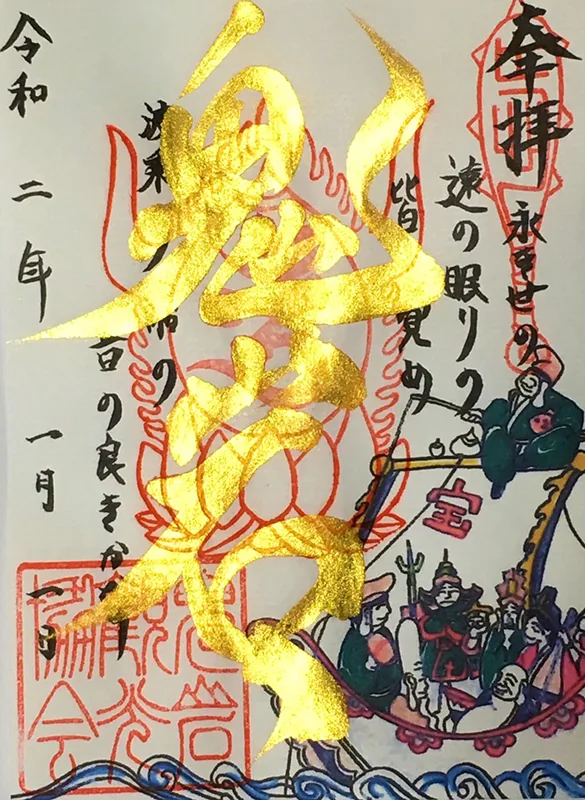
The goshuinchō: your collection book
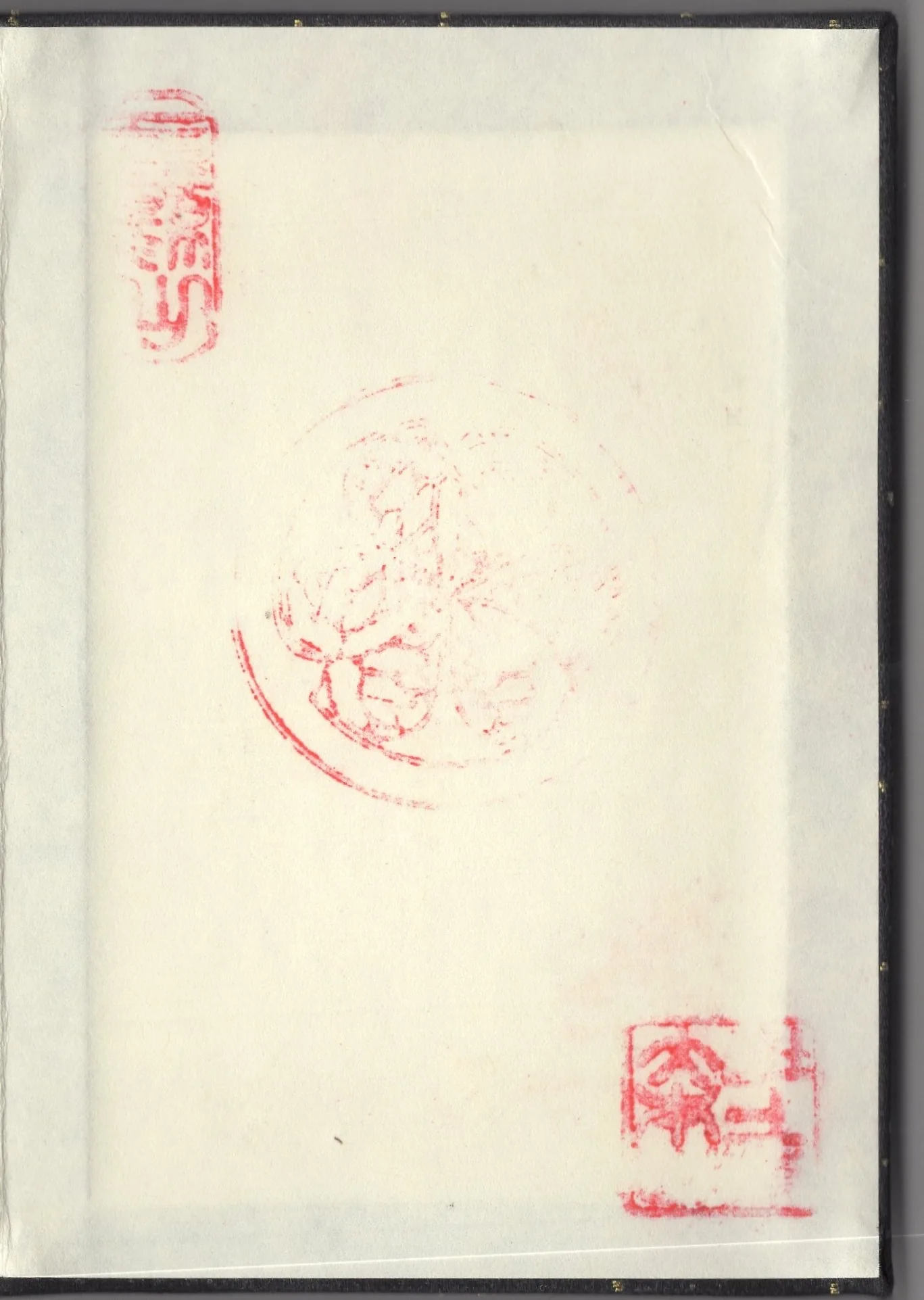
A goshuinchō (御朱印帳) is an accordion-style book designed to hold goshuin. The pages fold back and forth, allowing each inscription to sit on a single surface without any backing that might cause ink to bleed through. Most goshuinchō measure around 18 by 12 centimetres, though larger formats exist. The covers range from plain cloth to elaborate designs featuring seasonal motifs, local imagery, or the crest of a particular temple or shrine.
You can buy a goshuinchō at the office of most major temples and shrines. Many places sell books featuring their own design, which can serve as a memento of where you began collecting. Stationery retailers such as Loft and Hands (formerly Tokyu Hands) stock goshuinchō in various styles, typically priced between 1,000 and 2,500 yen depending on the cover design and paper quality. Online retailers offer a wider range, including books with specific pilgrimage routes pre-printed on the pages.
Some collectors keep separate books for Buddhist temples and Shintō shrines, while others use a single book for both. The separation practice stems from a historical period when the two religious traditions were officially distinguished, but many temples and shrines today accept a mixed book without comment. A few locations, particularly those with strong sectarian identities, may prefer you use separate books. If you plan to collect extensively, carrying both options gives you flexibility.
Receiving a goshuin
Always visit the main hall and offer your respects before requesting a goshuin. This is not a commercial transaction—the goshuin acknowledges a pilgrimage or sincere visit, not simply your presence. Walk through the temple or shrine grounds, take time to observe, and approach the principal object of worship with appropriate reverence.
Once you have paid your respects, locate the temple office. At Buddhist temples this is often called the nōkyōsho (納経所), a name that recalls the sutra-copying tradition. At Shintō shrines, look for the juyosho (授与所) or shamusho, the office where amulets and other items are distributed. Not every temple or shrine issues goshuin, and some smaller locations only offer them on specific days or by advance arrangement.
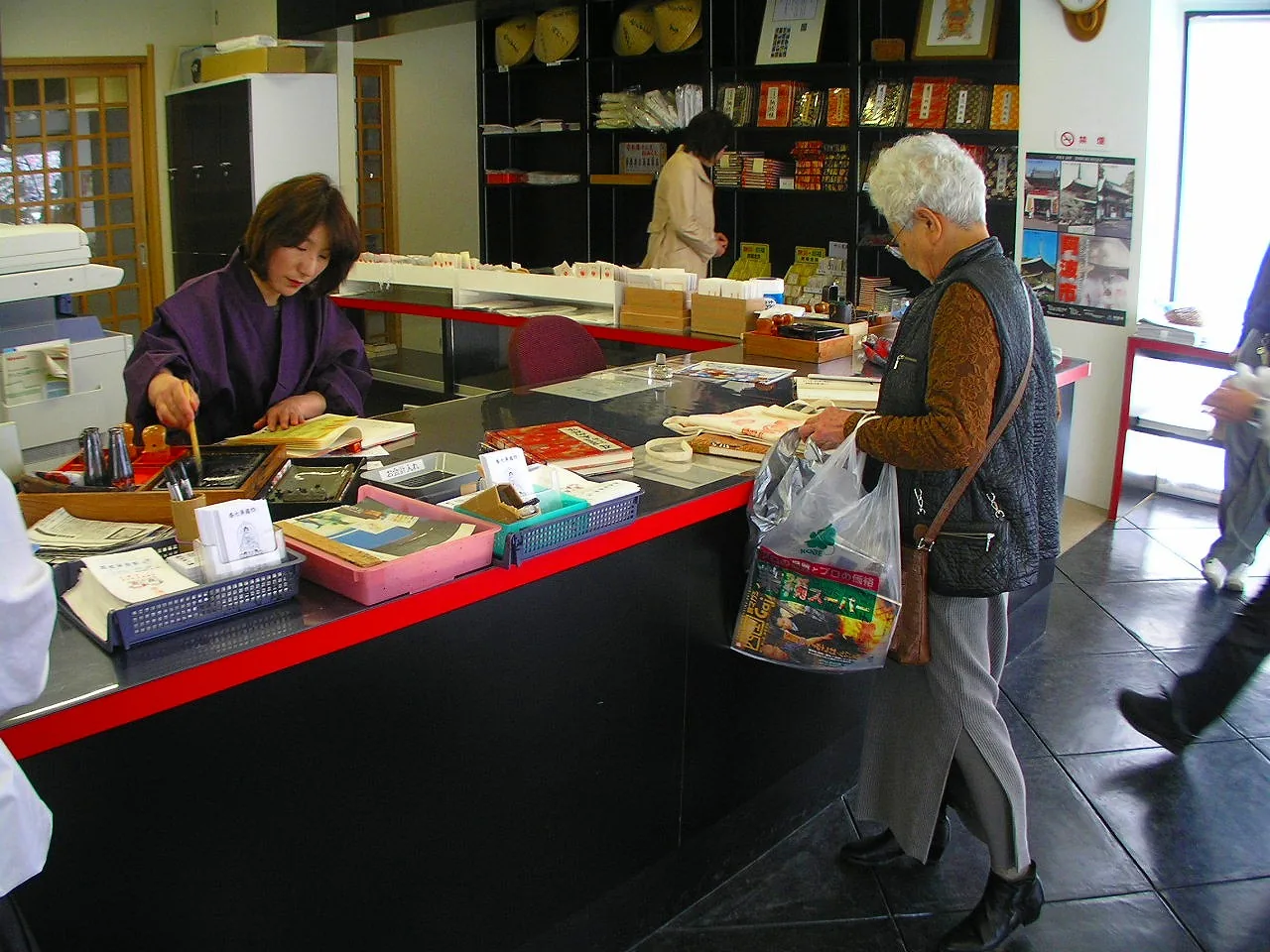
When you reach the office, hand over your goshuinchō opened to the next blank page. The person writing will usually ask you to wait while they complete the inscription. Depending on how busy the location is, this might take a few minutes or longer. At popular pilgrimage temples during peak seasons, you may leave your book and return later to collect it.
The customary donation for a goshuin is 300 to 500 yen, though some locations ask for a set amount and others leave it to your discretion. Have coins or small bills ready. Special or limited-edition goshuin, with extra colours or larger sheets, are often priced higher, typically 500 to 1,000 yen.
When a temple or shrine cannot write in your book—perhaps because the calligrapher is away or the queue is too long—they may offer a kakioki (書き置き). This is a pre-written goshuin on a separate sheet of paper, already completed with the date. You can paste it into your goshuinchō later using glue or photo corners.
Opening hours for goshuin vary. Temple offices often close by late afternoon, sometimes as early as 16:00 or 16:30, and may have a midday break. Arriving early in the day improves your chances, especially at rural locations where staff may not be present throughout the day.
Etiquette and common mistakes
Collecting goshuin is not a stamp rally. Approaching it as a casual collection exercise misses the spiritual and cultural context. Some temples and shrines have declined to issue goshuin to visitors who show no interest in the site itself. Spend time at each location. Read the signs, observe the architecture, and consider why the place matters.
Do not ask for a goshuin at every temple or shrine you pass. Many smaller sites do not participate in the practice, and requesting one where none is offered puts staff in an awkward position. If you see no sign of a temple office or no indication that goshuin are available, it is best to assume they are not offered.
Respect the person writing your goshuin. They are often priests, shrine staff, or trained calligraphers, and the work requires concentration. Do not lean over the desk, take photographs without permission, or interrupt with questions. If you want to watch, do so quietly from a respectful distance. At busy temples, especially those on pilgrimage routes such as the Saigoku 33 Kannon pilgrimage, queues form and you may need to wait patiently.
When a temple or shrine does not issue goshuin, accept the situation gracefully. The decision rests with each location, and some choose not to participate in the custom. Others may have stopped issuing them due to staffing constraints.
Starting a collection: the Saigoku pilgrimage
If you are new to goshuin and unsure where to begin, the Saigoku 33 Kannon pilgrimage (西国三十三所) offers a well-established framework. This pilgrimage route, one of the oldest in Japan, takes you to 33 temples across the Kansai region, each dedicated to Kannon, the bodhisattva of compassion. The temples range from urban sites in Kyoto and Osaka to mountain locations in Wakayama and Gifu.
Pilgrims traditionally visit all 33 temples in sequence, though many people now complete the route in stages over months or years. Each temple issues a distinctive goshuin, and you can buy a dedicated goshuinchō designed for the Saigoku pilgrimage at any of the temples along the route. These books often include pre-printed temple names and space for each goshuin, making it easier to keep track of your progress.
The Saigoku Kannon pilgrimage pack in the Japan Quests app includes all 33 temples and allows you to record each visit digitally as you go. The app complements your goshuinchō by keeping a timestamped log of your journey.
Goshuin and eki stamps
Travellers in Japan sometimes collect both goshuin and eki stamps (駅スタンプ), but the two practices have little in common beyond the word "stamp." Eki stamps are self-service rubber stamps found at train stations, where visitors press the stamp into their own notebook to record the station visit. The designs often feature local landmarks or characters, and the stamps are free to use.
Goshuin, by contrast, are hand-written and involve a donation. They carry religious significance, even when collected by non-religious travellers, and the physical act of receiving one is part of a temple or shrine visit. Eki stamps belong to the world of transport and tourism, and no one expects you to show reverence before stamping your notebook at Ueno Station.
Both practices document travel, but they sit in different cultural contexts. Many travellers enjoy both, keeping a separate notebook for eki stamps and a goshuinchō for temple and shrine visits.
You can read more about eki stamps and where to find them in the eki stamps guide, which covers the main railway networks and notable stamp designs across Japan. The Japan Quests app also includes a pack for secret and lesser-known stations, many of which have their own eki stamps alongside unusual architecture or settings.
Goshuin, eki stamps and Japan Quests
The Japan Quests app records a digital stamp for each place you physically reach, including temples, shrines, stations and other locations across 33 themed packs. The app does not replace a paper goshuinchō or an eki stamp notebook—it offers a parallel way to track your travels. When you visit a temple that issues goshuin, you can collect the physical inscription in your book and also register the visit in the app.
Some temples and shrines included in the app do not issue goshuin, and many stations have no physical eki stamp, but the app still logs your visit once you arrive. This makes it useful for completing pilgrimage routes, exploring station networks, or simply documenting where you have been without depending on whether a location offers a physical stamp. The digital record complements your physical collections, and both together give you a fuller picture of your journeys.
Questions about collecting goshuin
Can I collect goshuin if I am not Buddhist or Shintō?
Yes. Temples and shrines issue goshuin to anyone who visits respectfully, regardless of religious background. The practice acknowledges your visit and participation in the place, not your faith. Approach each location with sincerity and follow the same etiquette expected of all visitors.
What should I do if my goshuinchō is full?
Start a new book. Many collectors eventually fill several goshuinchō over years of travel. You can keep your completed books as a record or display them at home. Some people revisit the same temple or shrine years later and begin a second goshuin in a fresh book, noting the passage of time between visits.
Do I need to speak Japanese to collect goshuin?
Basic courtesy phrases help, but fluency is not required. At larger temples and shrines, staff are accustomed to non-Japanese visitors. Handing over your goshuinchō opened to the correct page and having the donation ready in coins or small bills communicates your request clearly. Signage around the grounds usually provides temple or shrine names in Japanese.
Are there goshuin for specific seasons or events?
Yes. Many temples and shrines issue limited-edition goshuin for New Year, major festivals, cherry blossom season, autumn foliage, or anniversaries. These special goshuin often feature unique calligraphy, additional colours, or seasonal imagery. Some locations announce special goshuin in advance on their official websites, and these events can draw large crowds.
Can I mail my goshuinchō to a temple for a goshuin by post?
Some temples accept postal requests, but this is not common practice and policies vary. If you cannot visit in person due to distance or mobility limitations, check the temple's official website or contact them directly to ask whether they accommodate postal requests. Expect to pay postage both ways and wait longer for the goshuin to be returned.
What happens if ink smudges or a goshuin does not turn out well?
Goshuin are handwritten, and small variations or imperfections are part of the process. Keep the book open for a minute before closing it so the ink can dry, and do not ask for a rewrite: accept the result with grace—the human element is what makes each goshuin unique.
All of it is in the lifetime unlock
The 33 packs — and every pack released after them — are included in the lifetime unlock while the launch offer lasts. After that, a new pricing model applies.