Japan Quests
Rail
Secret stations in Japan — 192 remote railway stops
秘境駅
This list compiles 192 secret stations Japan has to offer, drawn from a collection of Japan's most isolated railway stations. These are lonely platforms found deep in the mountains and along forgotten lines, selected for their remote locations. Examples include Koboro Station in Hokkaido, Tsubojiri Station in Tokushima, and Okuoikojo Station in Shizuoka.
The collection covers 38 of Japan's 47 prefectures, with a concentration of stations in Hokkaido, Nagano, Shizuoka, and Yamagata. Other prefectures such as Kumamoto, Iwate, and Akita also feature multiple entries. Each entry on the list provides the station name and its prefecture.
Travellers can use this list to identify and locate these remote railway stops across the country. The collection provides a factual overview of these isolated stations, allowing users to explore their distribution and specific locations.
Read the guide: Eki stamps: how to collect Japan's free station stamps
Hokkaido 北海道
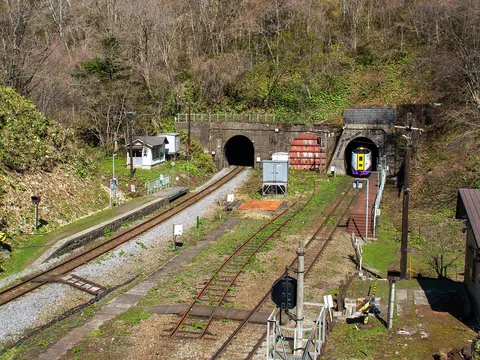
Koboro Station
小幌駅Hailed as the most remote station in Japan, Koboro Station is nestled on a cliffside with no road access, accessible only by train. Tunnels on both sides enhance its isolated mystique.
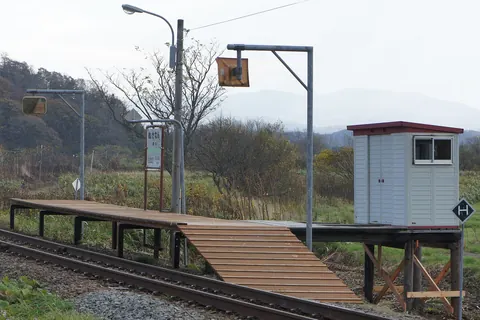
Nukanan Station
糠南駅Deep in Hokkaido, Nukanan Station offers a glimpse into a bygone era, with a simple wooden platform amidst vast grasslands. Its remote location makes it a true railway adventure.
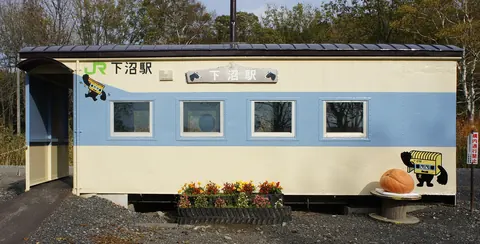
Shimonuma Station
下沼駅Deep in Hokkaido, Shimonuma Station is a remote freight car station. With no roads and only four distant houses, it offers profound solitude and a unique railway experience.
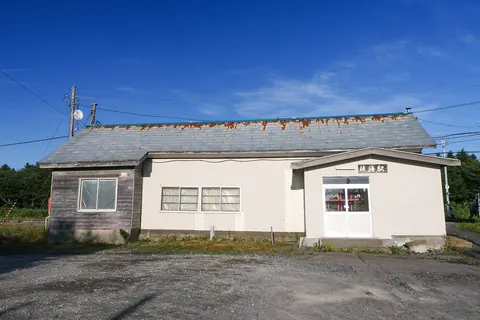
Bakkai Station
抜海駅Journey to Bakkai Station, a remote outpost amidst vast wilderness. With only one inhabited house and 21 abandoned buildings, its old station house offers an atmospheric glimpse into the past.
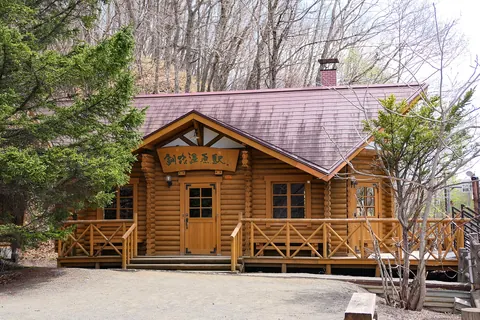
Kushiroshitsugen Station
釧路湿原駅Deep within the Kushiro Wetlands, this remote station offers unique access. Be prepared for a long stairway to the nearest road.
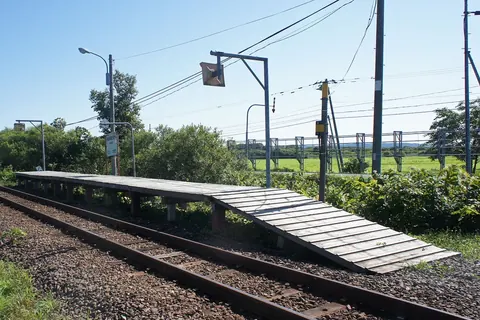
Minamihoronobe Station
南幌延駅Serving a single farm along the main road, Minamihoronobe Station offers a nostalgic journey with its quaint, old waiting room and wooden platform.
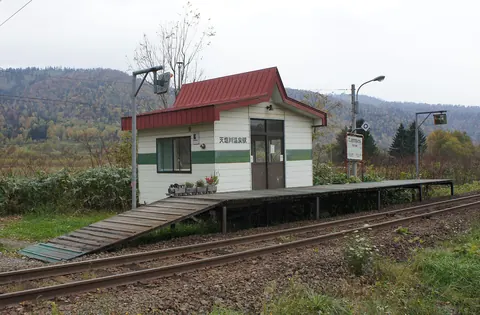
Teshiogawaonsen Station
天塩川温泉駅Deep in the Hokkaido wilderness, Teshiogawaonsen Station offers a simple wooden platform and a stove-heated waiting room. A 2km walk leads to the namesake onsen.
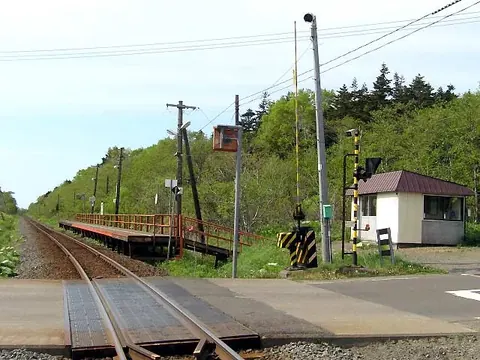
Konbumori Station
昆布盛駅Tucked away in the forest, Konbumori Station offers a quiet escape. Its single platform is far from any dwellings, with the fishing village distant.
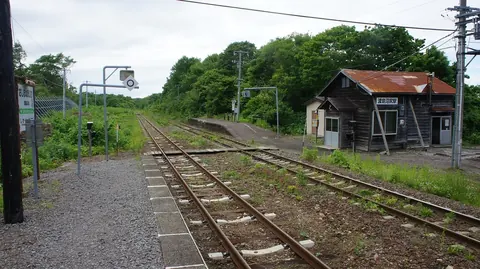
Oshimanumajiri Station
渡島沼尻駅Deep in the wilderness, Oshimanumajiri Station, a former signal post, is surrounded by primeval forests and mountains. Just a handful of houses dot this remote landscape.
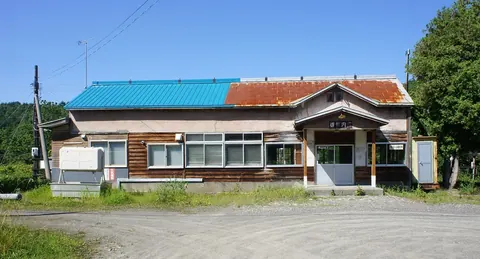
雄信内
雄信内駅Amidst a desolate landscape, Oshinnai Station stands, its old wooden station building and surrounding ruined houses whispering tales of a bygone era. Remote yet accessible by train, it's a poignant stop.
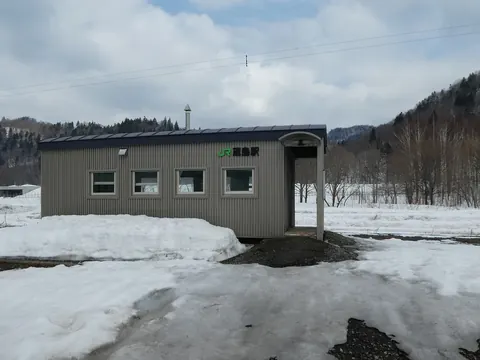
Osashima Station
筬島駅Journey to Osashima Station, a quiet stop amidst the vast Teshio River landscape. Discover derelict homes and a freight car station, remnants of a bygone era.
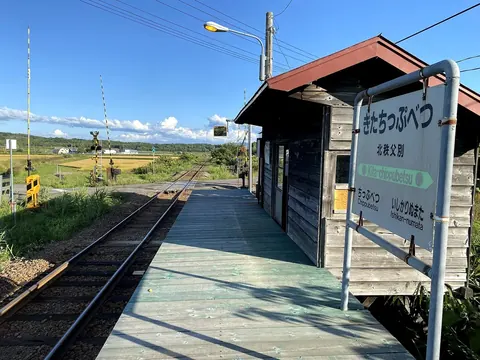
Kitachippubetsu Station
北秩父別駅Despite its proximity to a highway, Kitachippubetsu Station offers a tranquil escape with its wooden platform and waiting room, surrounded by distant scattered homes.
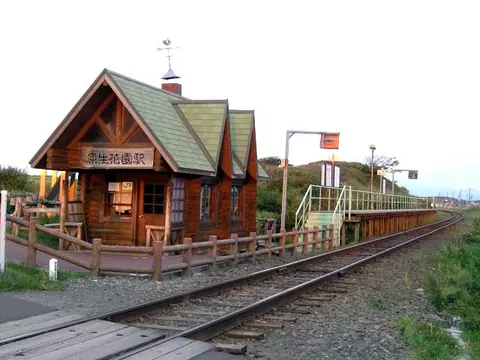
Genseikaen Station
原生花園駅Open only in summer, Genseikaen Station offers breathtaking views amidst a remote, uninhabited landscape. Its easy road access makes it a popular seasonal destination.
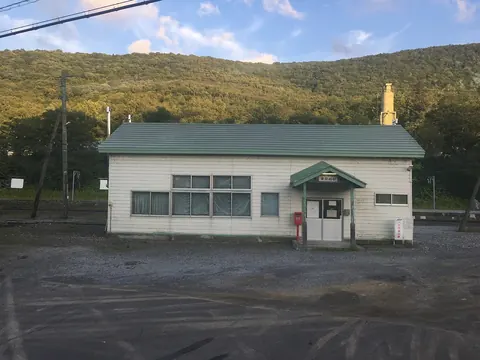
Higashishikagoe Station
東鹿越駅Nestled by Lake Kanayama, Higashishikagoe Station offers a glimpse into a bygone era with its old station building and a nearby quarry. Once a temporary terminus, it's moderately remote with some train access difficulty.
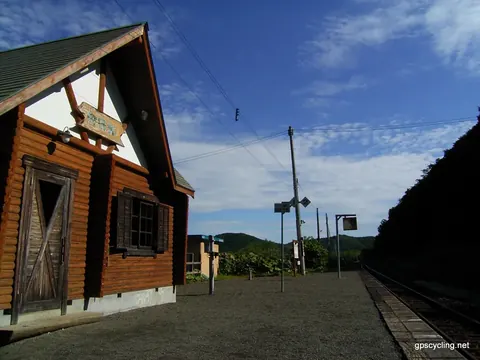
Hosoka Station
細岡駅Nestled deep within a wetland, Hosoka Station is accessible only in winter. Its log-cabin style waiting room offers a solitary refuge amidst the frosty landscape.
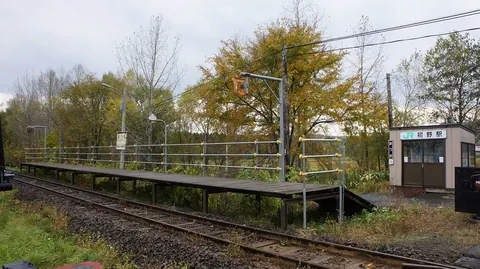
Hatsuno Station
初野駅With only two houses nearby and infrequent trains, Hatsuno Station offers a glimpse into rural Hokkaido life. Its humble wooden platform and prefabricated waiting room emphasize its remote charm.
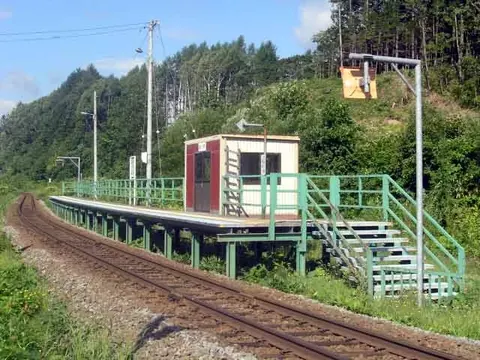
Chihoku Station
智北駅Deep in Hokkaido's wilderness, Chihoku Station offers a quiet retreat far from human habitation. Enjoy the serene atmosphere and leave a note in the pristine waiting room.
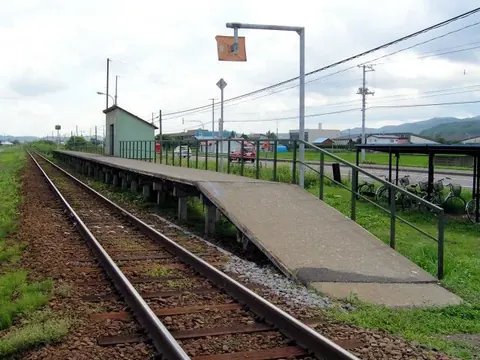
Mizuho Station
瑞穂駅Despite its remote feel, Mizuho Station is easily accessible from the national road. Four houses dot the landscape around this simple platform and small waiting room.
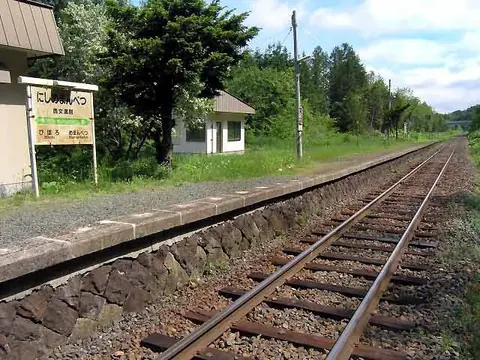
Nishimemanbetsu Station
西女満別駅Tucked away in a silent forest with no houses in sight, Nishimemanbetsu Station offers a uniquely secluded stop, despite its surprising proximity to an airport.
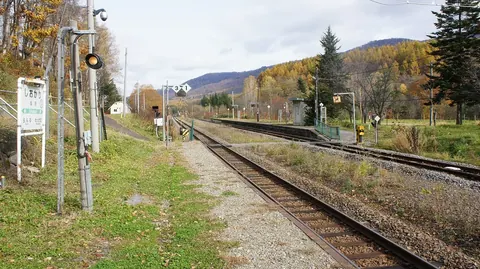
Shiokari Station
塩狩駅Shiokari Station, nestled in Hokkaido, offers a glimpse into rural life with its historic station building and a few houses nearby. Though remote, a national road is conveniently close.
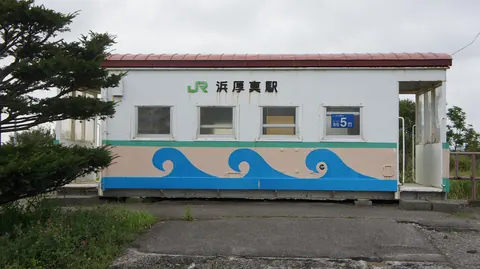
Hamaatsuma Station
浜厚真駅Deep in a vast prairie, this unique cargo-car station offers a glimpse into rural Hokkaido life, with just three houses nearby and a ferry terminal a 30-minute walk away.
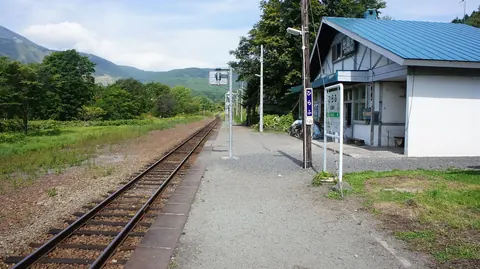
Hirafu Station
比羅夫駅Nestled away from main roads, Hirafu Station offers stunning views of Mt. Yotei. Its station building doubles as a guesthouse, providing a unique stay amidst nature.
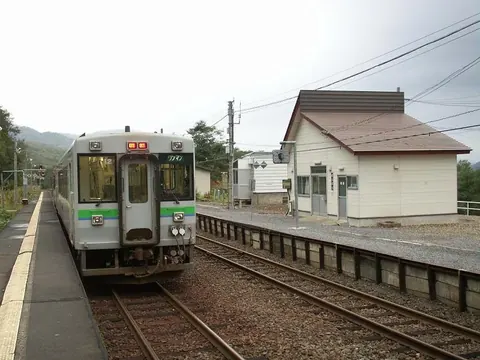
Ginzan Station
銀山駅Perched on a hill overlooking a small settlement, Ginzan Station offers a glimpse into rural life. Its tiny station building and simple crossing evoke a bygone era.
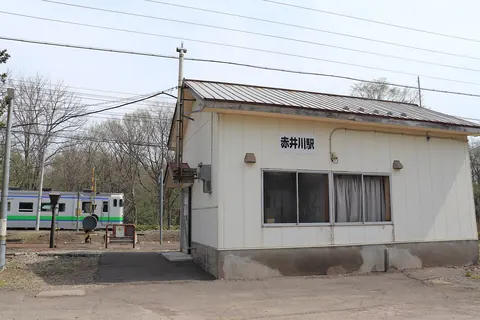
Akaigawa Station
赤井川駅Tucked away from the main road, Akaigawa Station serves a small cluster of homes. Despite its quiet charm, access by train offers a moderate challenge.
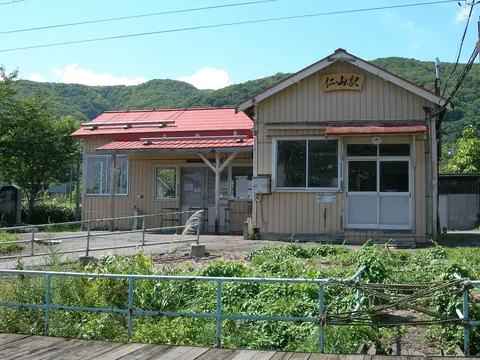
仁山
仁山駅Once an important switchback, Niyama Station now serves a ski resort complex. Although remote with no houses nearby, it offers easy road access.
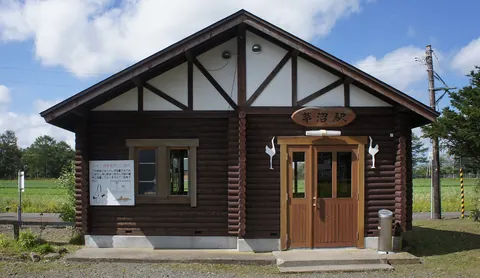
Kayanuma Station
茅沼駅Nestled on the eastern edge of Kushiro Wetland, Kayanuma Station offers a glimpse into a remote natural habitat. Famous for red-crowned crane feeding, it's a unique stop amidst a few scattered homes.
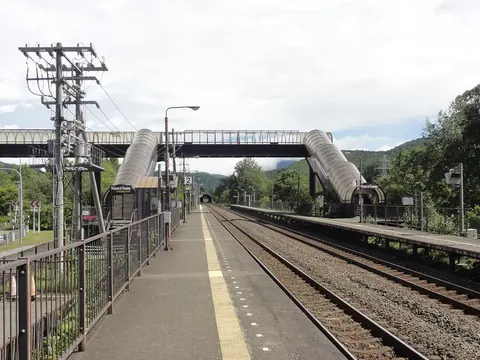
Tomamu Station
トマム駅Though remote with no local populace, Tomamu Station serves as a vital stop for express trains, connecting visitors directly to a renowned mountain resort.
Aomori 青森
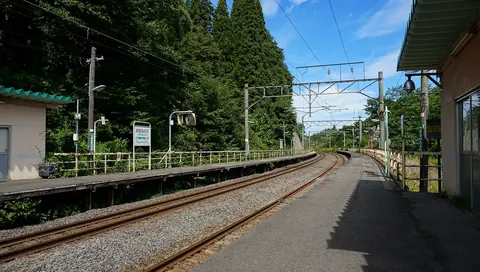
Tsugaruyunosawa Station
津軽湯の沢駅Accessible only in winter, Tsugaruyunosawa Station is a secluded outpost. It features an old wooden station building, with no houses visible, hinting at a forgotten hot spring.
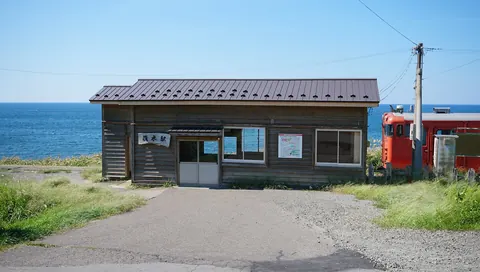
Todoroki Station
驫木駅With the magnificent Sea of Japan right before your eyes, this charming wooden station offers a tranquil escape, despite its modest remoteness.
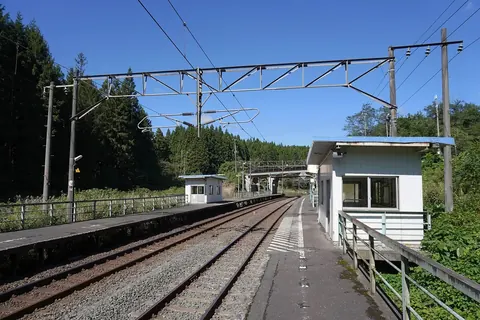
Chibiki Station
千曳駅With no nearby houses, Chibiki Station offers a secluded experience. Despite its low remoteness score, it's a peaceful spot away from any settlement.
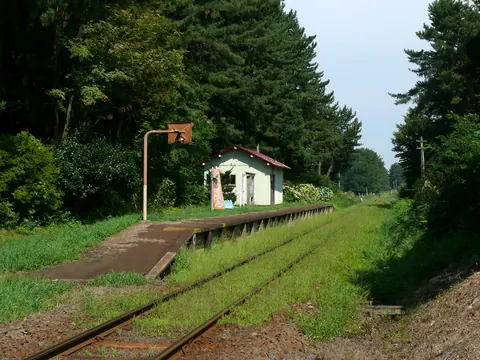
Bishamon Station
毘沙門駅Tucked away amidst a grove of trees, Bishamon Station offers a tranquil, secluded atmosphere. Its old waiting room adds to the charm of this peaceful stop.
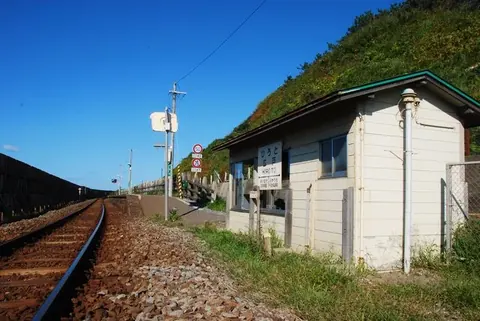
Hiroto Station
広戸駅With no houses nearby, this remote station offers a glimpse of the Sea of Japan, though views are obscured by protective fencing. Its high train-access difficulty adds to the adventure.
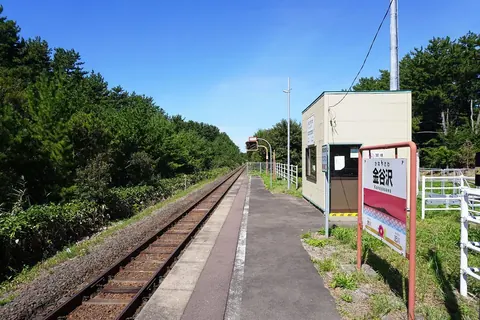
Kanayasawa Station
金谷沢駅Serving a small cluster of homes, Kanayasawa Station offers a simple concrete platform, a small waiting room, and a natural spring right outside. Its low access difficulty makes it an approachable rural gem.
Iwate 岩手
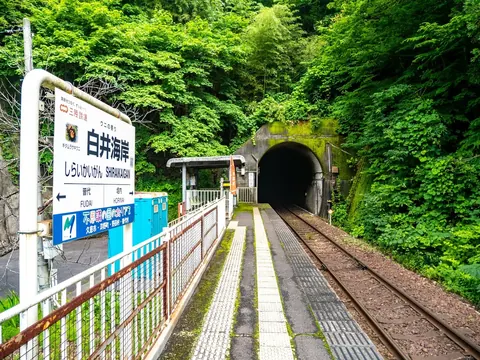
Shiraikaigan Station
白井海岸駅Nestled between tunnels on the Sanriku Railway, Shiraikaigan Station offers an extremely remote coastal experience. Reaching this unmanned stop is a challenge, with no road access and only a fishing port further afield.
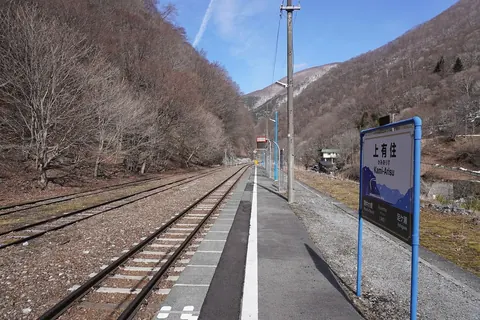
Kamiarisu Station
上有住駅Deep in the mountains of Iwate, Kamiarisu Station offers access to the scenic Takikando and Byakuren-do caves, with just one house nearby. A uniquely remote experience.
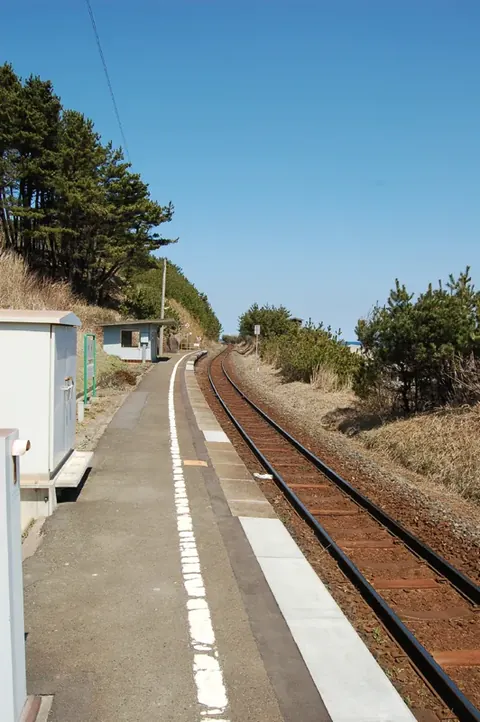
Uge Station
有家駅Perched by the Pacific, Uge Station offers stunning ocean views. Despite its remote feel, only a few homes dot the landscape as the sound of waves fills its waiting room.
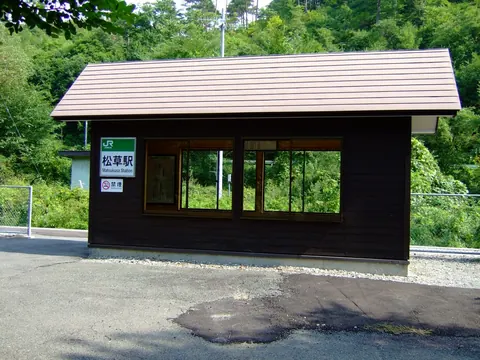
Matsukusa Station
松草駅With very few trains and a defunct shop serving only three houses, Matsukusa Station offers a glimpse into a quiet, almost forgotten corner of Japan, accessible mainly by rail.
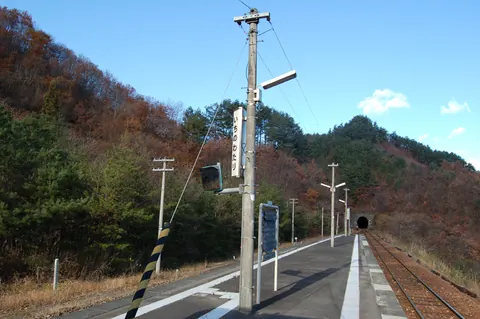
Ichinowatari Station
一の渡駅Nestled between tunnels, Ichinowatari Station serves a tiny hamlet. Despite its remote feel, it's a frequent stop on the Sanriku Railway.
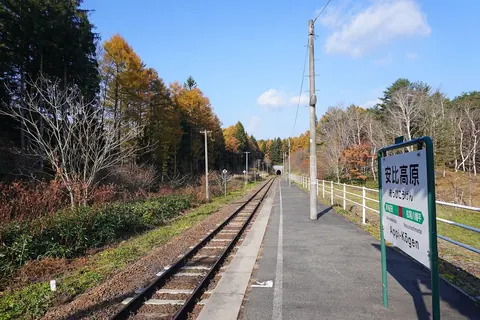
Appikogen Station
安比高原駅Despite its resort proximity, Appikogen Station offers a quiet atmosphere, boasting an old station building amidst an uninhabited setting.
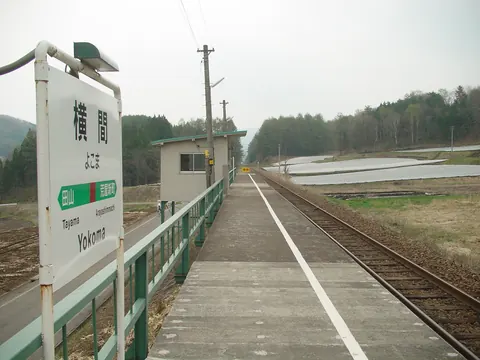
Yokoma Station
横間駅Nestled in a remote area, Yokoma Station serves a small, quiet hamlet. Despite its low usage, the station offers a peaceful escape far from main roads.
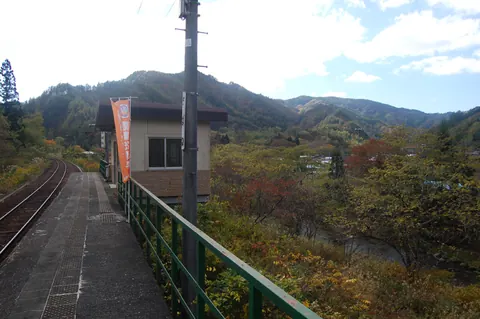
Sabane Station
佐羽根駅Nestled deep in the mountains, Sabane Station serves a small hamlet known for its traditional Kagura dances. Its deep mountain setting gives it a secluded, yet accessible, charm.
Miyagi 宮城
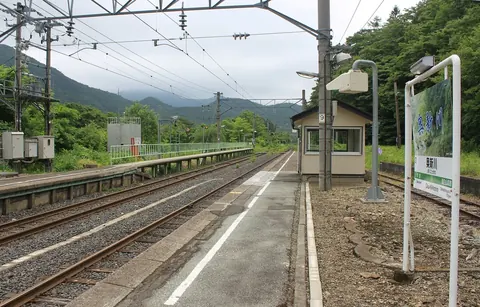
Okunikkawa Station
奥新川駅Deep in the mountains, Okunikkawa Station is a true winter secret, accessible only by train. Its unpaved road and two souvenir shops hint at its remote charm.
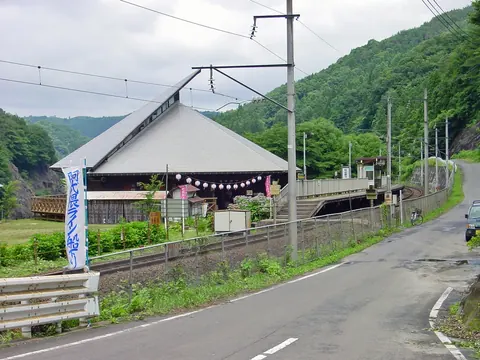
Abukuma Station
あぶくま駅Deep in Miyagi, Abukuma Station offers a remote escape. Reached via a winding mountain road, its station building also serves as a small museum.
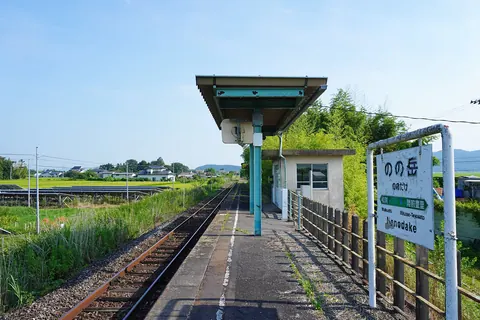
Nonodake Station
のの岳駅Nestled in a rural landscape, Nonodake Station offers a tranquil escape. Though not deeply secluded, its narrow approach road ensures a quiet journey to this small community.
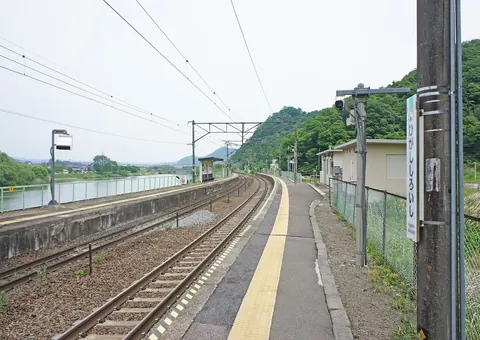
Higashishiroishi Station
東白石駅Along the Shiroishi River, Higashishiroishi Station offers a peaceful stop where swans can be seen across the water, a short distance from the nearest homes.
Akita 秋田
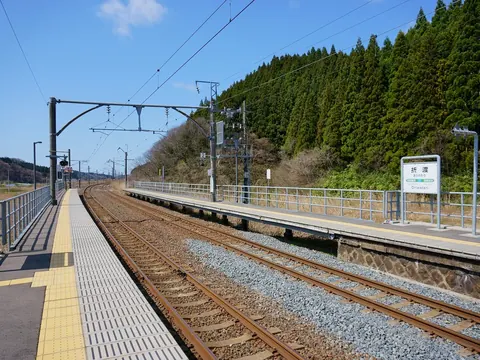
Oriwatari Station
折渡駅With few houses nearby and a temporary platform, this former signal station on the Uetsu Line feels like a journey back in time, served by infrequent trains.
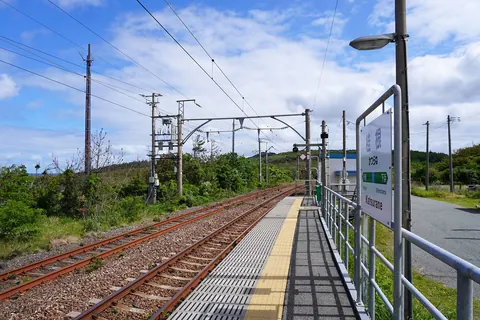
Katsurane Station
桂根駅Despite many trains passing through, Katsurane Station offers a secluded coastal experience. Easily accessible by road, enjoy the quiet community nestled behind the tracks.
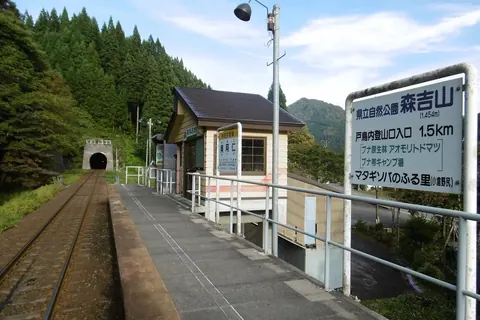
Okuani Station
奥阿仁駅Nestled deep in the mountains, Okuani Station offers a serene escape. Accessible primarily by rail, it features a standard waiting room overlooking a quiet, forested landscape.
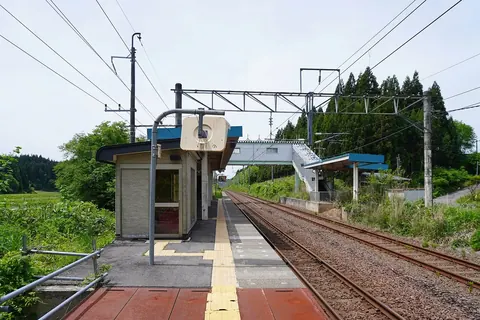
Obarino Station
大張野駅Tucked away from Route 13, Obarino Station offers a tranquil escape. With only one house nearby, it's a quiet haven amidst the northern landscape.
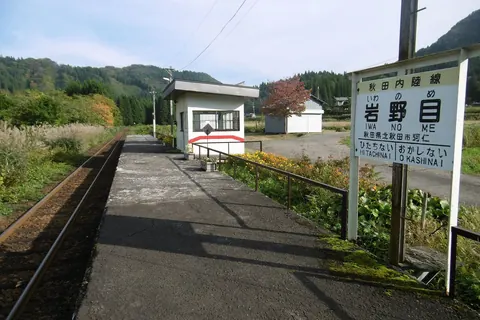
Iwanome Station
岩野目駅Tucked away in a mountain village, Iwanome Station offers a glimpse into the past with its old JNR-era waiting room and crumbling concrete platform.
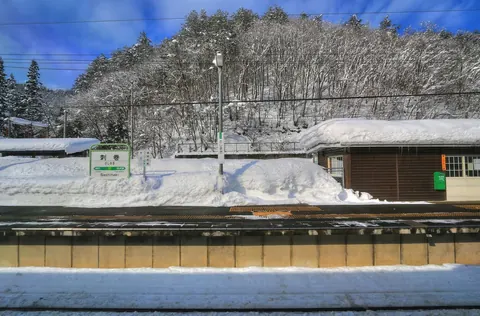
Sashimaki Station
刺巻駅Despite easy road access, Sashimaki Station offers a serene escape with few houses and infrequent trains, nestled near a wetland famed for skunk cabbage.
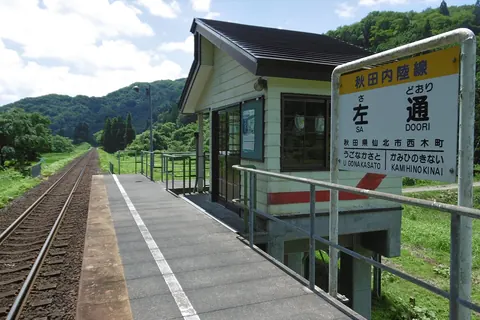
Sadori Station
左通駅Perched on a hill, Sadori Station offers splendid views of a snow-laden mountain village. Despite its remote feel, it's a relatively easy stop to access by road.
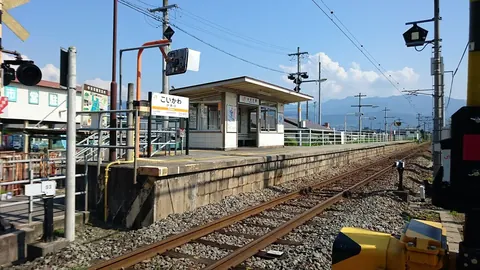
Koikawa Station
鯉川駅Nestled amidst livestock farms and a few houses, Koikawa Station offers a tranquil, secluded stop on the Ou Line with limited views due to windbreak forests.
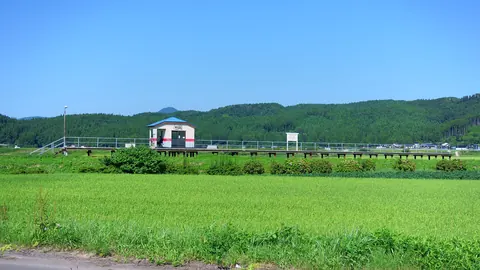
Magarisawa Station
曲沢駅Amidst vast paddy fields, Magarisawa Station offers a tranquil escape. Though easily accessible by train, its remote setting ensures a peaceful journey.
Yamagata 山形
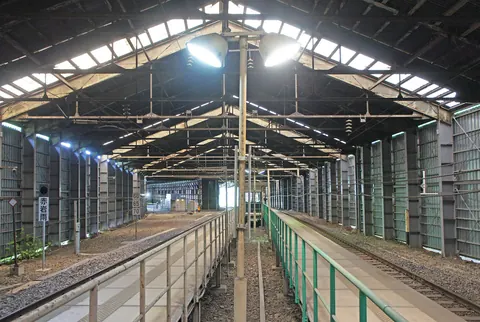
Toge Station
峠駅Nestled deep in the mountains, Toge Station, a former switchback, offers a glimpse into railway history with remnants of its past. Access is challenging, but local treats await.
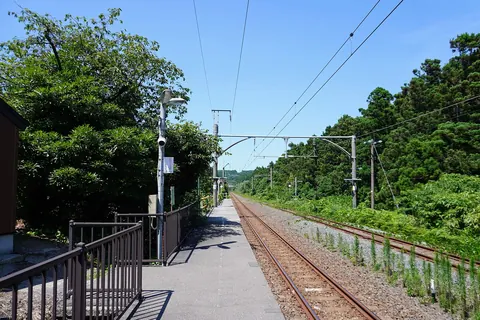
Mega Station
女鹿駅Despite its proximity to a national road, Mega Station feels isolated with no visible houses. The old mortar waiting room is now gone, leaving a trace of its history.
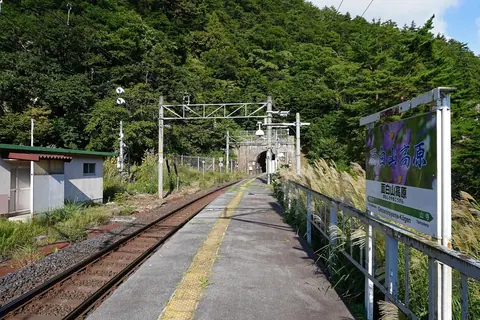
Omoshiroyamakogen Station
面白山高原駅Accessible only by train during winter, Omoshiroyamakogen Station sits in a remote, uninhabited area. The former ski resort is now closed, offering a serene, snowy escape.
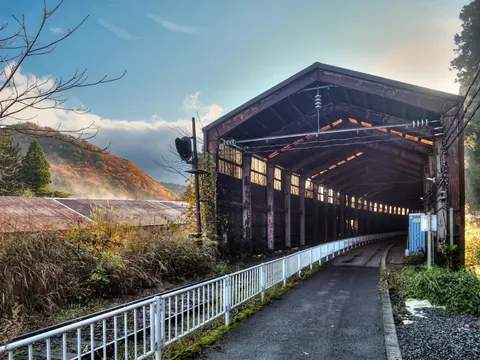
Osawa Station
大沢駅Deep in a snow shelter, Osawa Station is a former switchback station that serves a small hamlet. Only accessible during winter, it offers a glimpse into a bygone era.
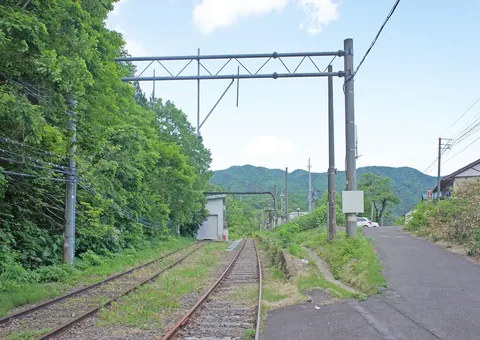
Itaya Station
板谷駅Once an important switchback, Itaya Station in Yamagata is now a quiet winter-only stop. Despite its remoteness, a national highway is nearby, making it an accessible hidden gem.
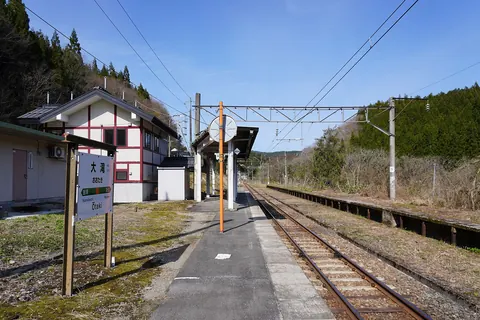
Otaki Station
大滝駅Deep in Yamagata, Otaki Station stands beside a single dwelling. A modern waiting room contrasts with the vanished village, a testament to past natural disasters.
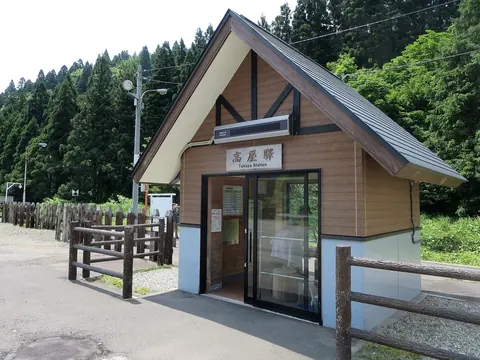
Takaya Station
高屋駅Nestled near a national route, Takaya Station offers a glimpse into history with a nearby abandoned ski resort. Though the old station building is gone, two houses remain.
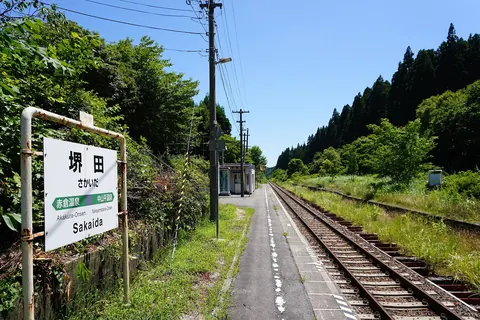
Sakaida Station
堺田駅Straddling a watershed peak, Sakaida Station offers a glimpse into a tranquil rural life with a few scattered houses, set in a historic area linked to Matsuo Basho.
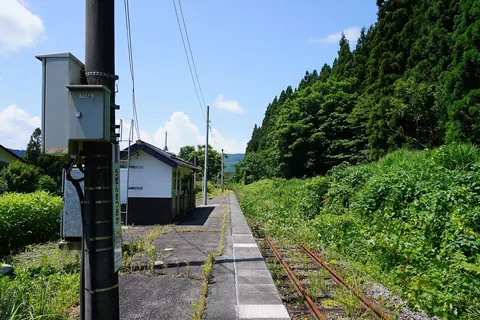
Uzenmatsuoka Station
羽前松岡駅A tranquil platform backed by a forest, Uzenmatsuoka Station is close to a national road. This station is currently suspended after a disaster.
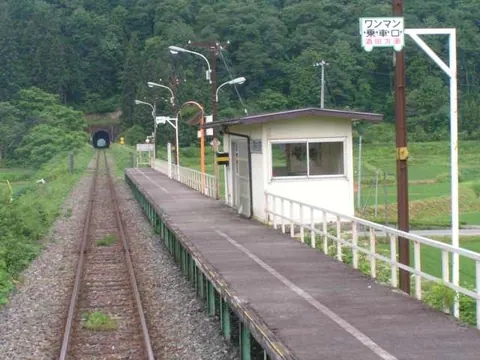
Uzenzennami Station
羽前前波駅With services suspended due to road construction, this embankment-top station, serving a small hamlet, offers a glimpse into a forgotten rural railway. It features a small waiting room.
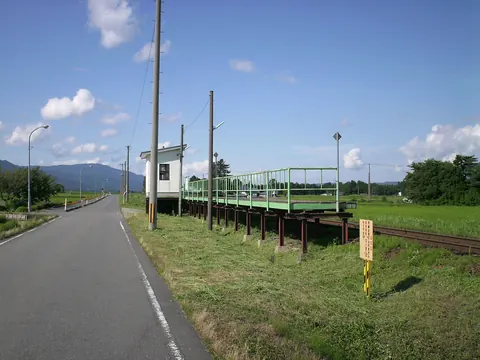
Shirosagi Station
白兎駅Nestled amidst rice paddies and a scattering of houses, Shirosagi Station offers a tranquil escape. Don't miss the charming wooden rabbit carving in its waiting room.
Fukushima 福島
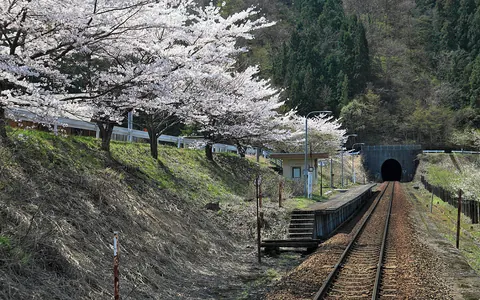
Okawadamukoen Station
大川ダム公園駅Three houses hint at a past community, while a solar farm now occupies the former campground. This remote station offers a glimpse into a bygone era amidst nature.
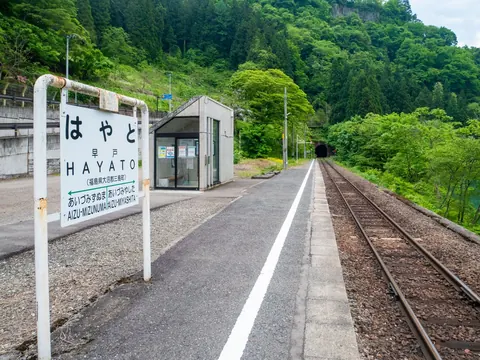
Hayato Station
早戸駅Despite its remote, uninhabited location, Hayato Station offers stunning views of the Tadami River and easy access to Hayato Onsen. Enjoy the modern waiting room at this scenic stop.
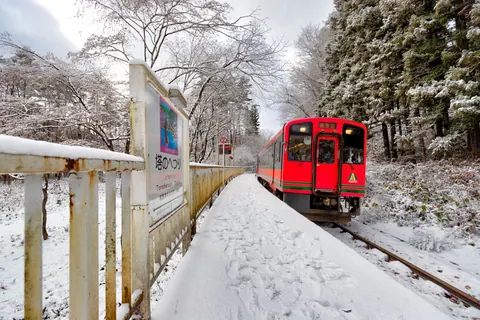
Tonohetsuri Station
塔のへつり駅Nestled quietly in the forest, Tonohetsuri Station offers a unique blend of remote tranquility and natural beauty, despite its lack of nearby residences. A fascinating destination for nature lovers.
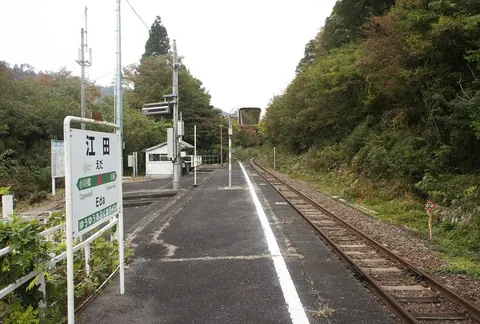
Eda Station
江田駅Once an important switchback, Eda Station now serves as a scenic hiking base amidst a small community. Road access is easy, but train access presents a moderate challenge.
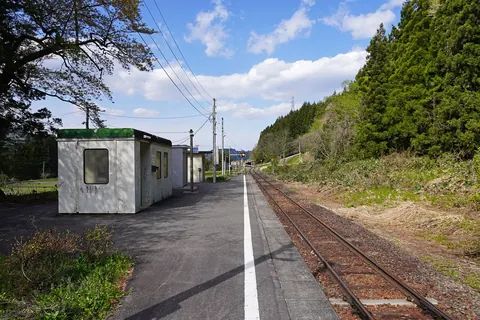
Godo Station
郷戸駅Nestled deep in the forest, Godo Station offers a tranquil escape, far from any habitation. Its unique capsule-shaped waiting room awaits adventurers.
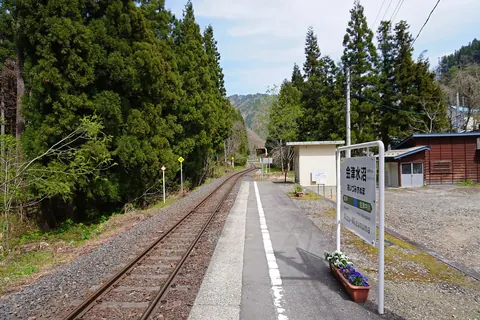
Aizumizunuma Station
会津水沼駅Tucked away from the main road, Aizumizunuma Station offers a tranquil escape with a few scattered houses, accessible mainly by train. Its wooden waiting room was rebuilt after flood damage.
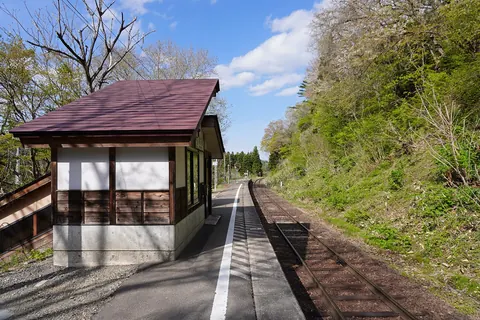
Todera Station
塔寺駅Nestled high in a forest, Todera Station offers a unique covered staircase. Despite its remote feel, it's easily accessible by road.
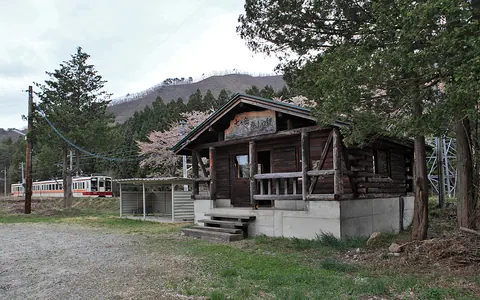
Nanatsugataketozanguchi Station
七ヶ岳登山口駅Serving a small hamlet, Nanatsugataketozanguchi Station offers a charming log house waiting room amidst the rugged Fukushima landscape. A quiet stop for adventurers.
Kabuto Station
兜駅With a handful of houses and minimal road traffic, Kabuto Station offers serene views of the Abukuma River. Its low difficulty scores make it an accessible, tranquil stop.
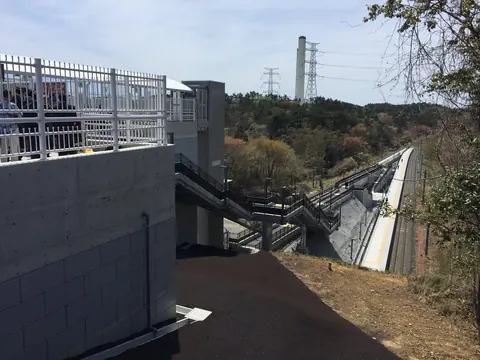
Jヴィレッジ
Jヴィレッジ駅Originally a temporary station for events, J-Village Station now stands as a permanent fixture on the Joban Line, boasting a futuristic design amidst a remote, unpopulated area. It offers easy train access.
Ibaraki 茨城
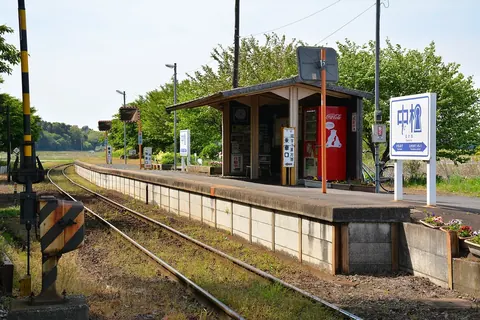
Nakane Station
中根駅Nestled among rice paddies with just a few scattered houses nearby, Nakane Station offers a tranquil, idyllic stop. Despite its rural setting, it's easily accessible by train.
Tochigi 栃木
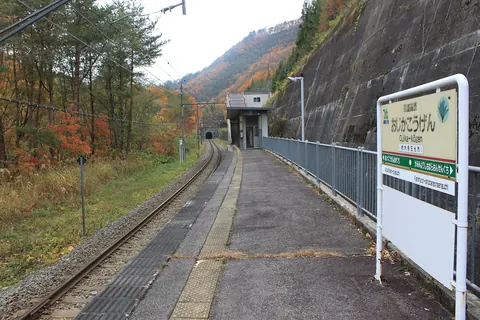
Ojikakogen Station
男鹿高原駅Deep in the mountains, Ojikakogen Station offers extreme remoteness. With no road access and only a helicopter pad for emergencies, this unmanned station is a true hidden gem.
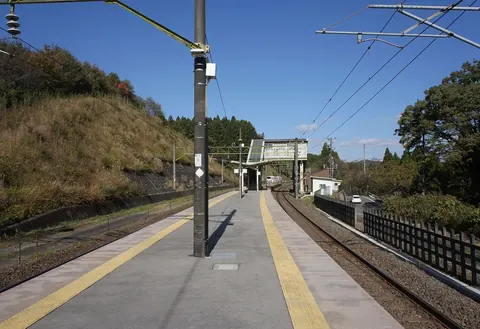
Toyohara Station
豊原駅Beyond the main village, Toyohara Station serves a few scattered homes. Despite frequent trains, its remote location ensures a tranquil stop.
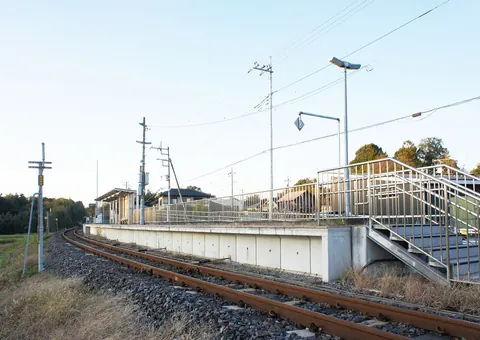
Kobana Station
小塙駅Tucked away from the main road, Kobana Station serves a small, quiet hamlet. Despite its remote feel, it offers an unexpected opportunity for a tranquil lifestyle.
Gunma 群馬
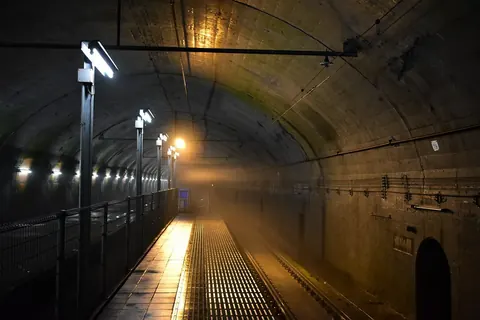
Doai Station
土合駅Venture deep underground to reach Doai Station's lower platform, nestled within a tunnel. Despite its remoteness, a guesthouse nearby offers a surprising stay.
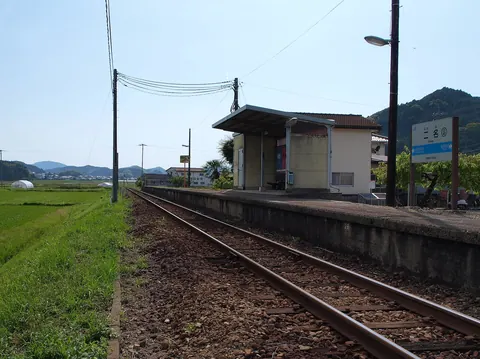
Nakano Station
中野駅Nestled by the Watarase River, Nakano Station offers a serene escape to a quiet mountain village, home to about ten houses. Its charming atmosphere is easily accessible by train.
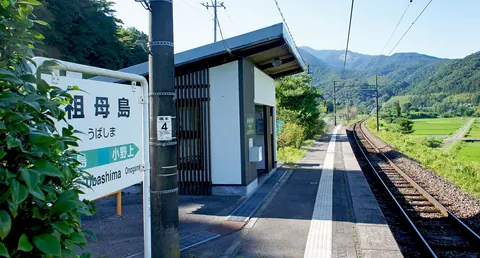
Ubashima Station
祖母島駅Tucked away in Gunma Prefecture, Ubashima Station offers a peaceful retreat. With around ten houses nearby, it's a quiet stop far from main roads, boasting a wonderful atmosphere.
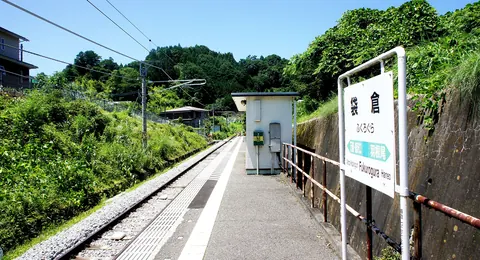
Fukurogura Station
袋倉駅Nestled away from main roads, Fukurogura Station offers a peaceful escape. It serves as the closest stop to the rustic Handeki Onsen, a secluded mixed-gender hot spring.
Chiba 千葉
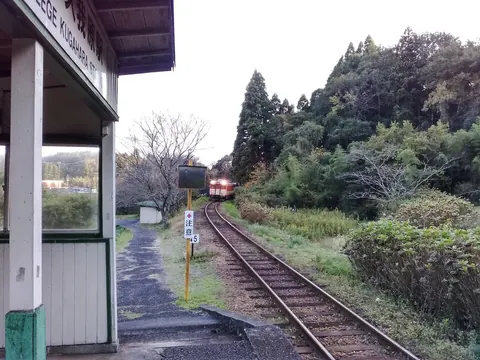
Kugahara Station
久我原駅Despite its proximity to a main road, Kugahara Station remains secluded, enveloped by dense forest and overgrown wilderness. Only a few scattered houses are nearby.
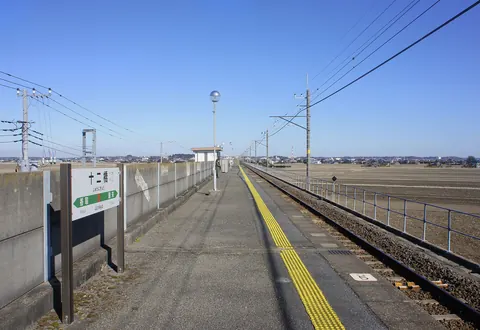
Junikyo Station
十二橋駅Enjoy panoramic views from this elevated platform, where only three houses remain nearby. A once-popular ramen shop is now a relic of the past.
Kanagawa 神奈川
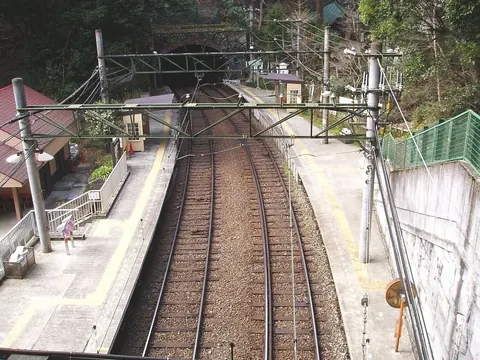
Tonosawa Station
塔ノ沢駅Nestled deep in a mountain gorge between tunnels, Tonosawa Station is only accessible by train. Discover the small shrine on its platform.
Niigata 新潟
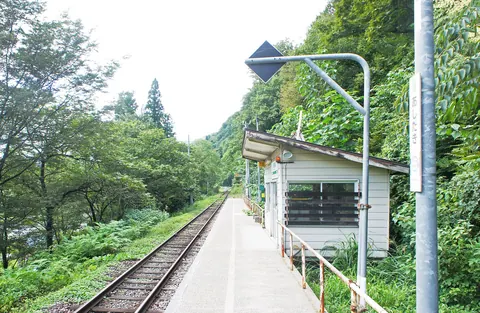
Ashidaki Station
足滝駅Perched high above a small hamlet, Ashidaki Station offers a unique journey. A steep, five-minute climb from the station leads down to a cluster of ten homes.
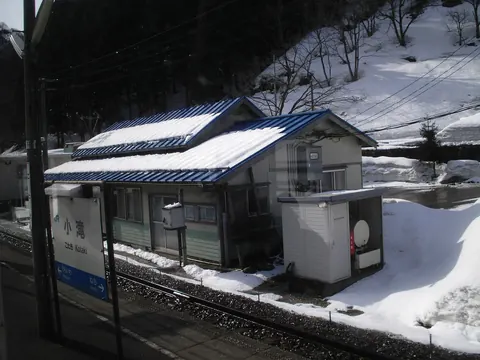
Kotaki Station
小滝駅Nestled by a hydropower plant and a single house, Kotaki Station offers easy road access to a charming, albeit remote, wooden station building.
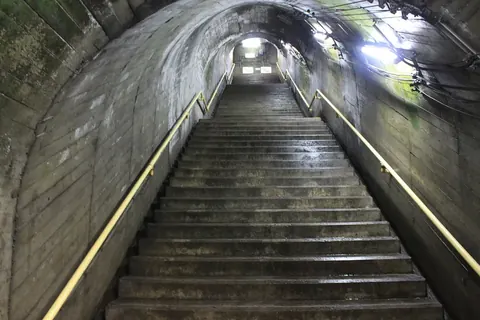
Tsutsuishi Station
筒石駅Deep within a tunnel, Tsutsuishi Station offers a unique subterranean experience. Its remote location, accessible only by train, adds to its secluded charm.
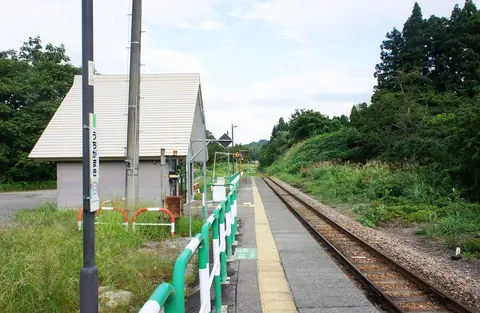
Uchigamaki Station
内ケ巻駅Hidden away in Niigata, Uchigamaki Station greets visitors with an overgrown platform, a new waiting room, and just three houses nearby, suggesting a quiet escape.
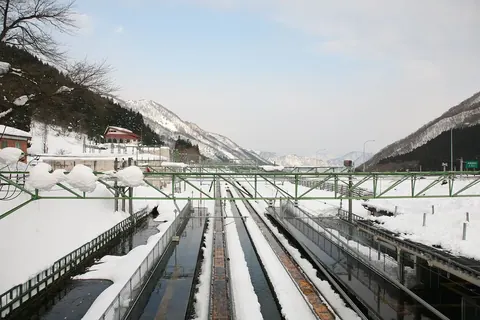
Tsuchitaru Station
土樽駅Despite its remote, uninhabited surroundings, Tsuchitaru Station is a hub for hikers. Its historic station building adds to the charm of this mountain gateway.
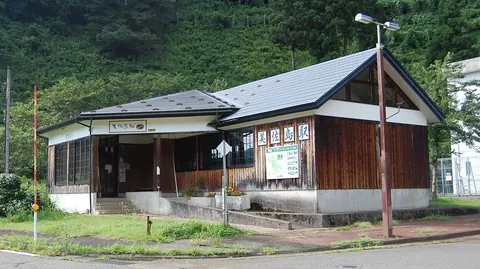
Misashima Station
美佐島駅Misashima Station is a unique tunnel station where the platform is only accessible when a train is present. With no houses nearby, it offers an exceptionally remote experience.
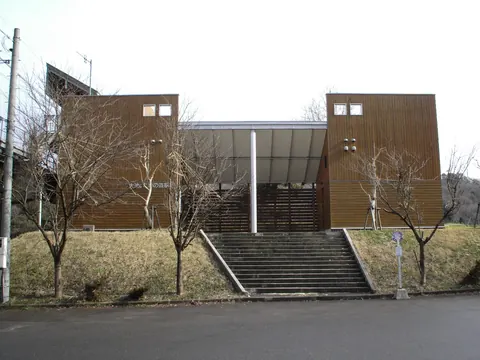
Oikeikoinomori Station
大池いこいの森駅Surrounded by rice paddies and a substation, this station offers a quiet retreat. Though remote, a distinctive station building awaits.
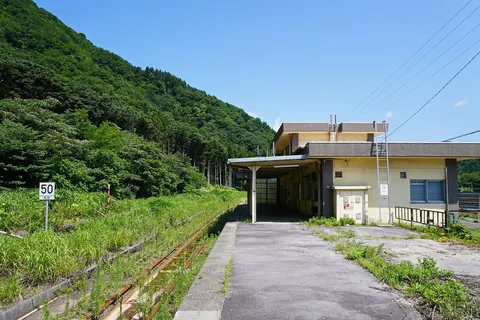
Echigokanamaru Station
越後金丸駅Despite its remote location far from homes, Echigokanamaru Station offers majestic views of the Arakawa River. Its large station building is a notable feature.
Fukui 福井
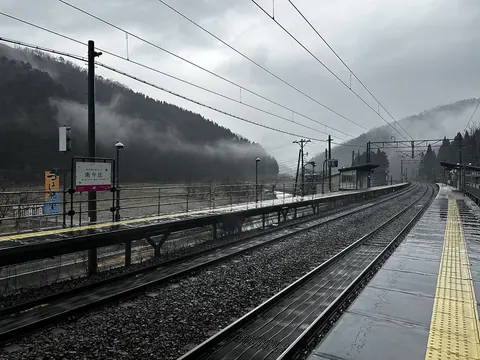
Minamiimajo Station
南今庄駅Nestled deep in the mountains with no nearby homes, this station marks the exit of the Hokuriku Tunnel. Its remote location adds to the adventure.
Yamanashi 山梨
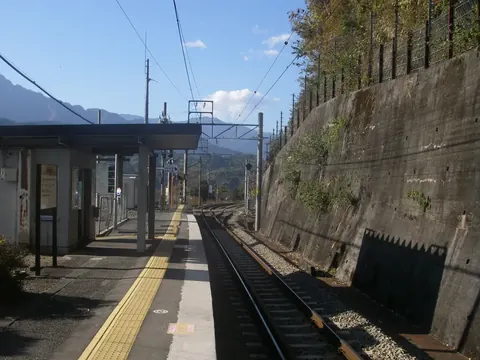
Ide Station
井出駅Though easily accessible by road, Ide Station offers a breathtaking panorama of a vast riverbed, set apart from human dwellings. The impressive riverside scenery is a sight to behold.
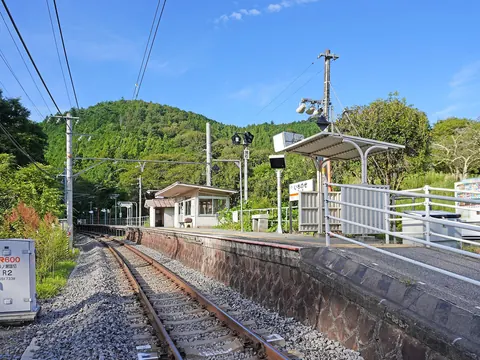
Ichinose Station
市ノ瀬駅Despite its remote feel and few houses, Ichinose Station offers a unique stop with an old stone merchant right by the tracks.
Nagano 長野
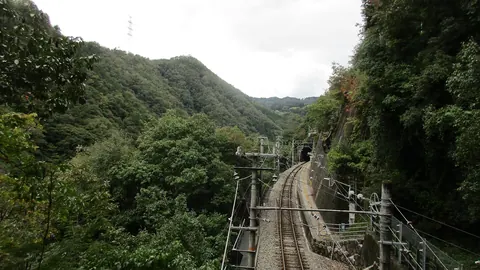
Tamoto Station
田本駅Nestled in a remote, uninhabited gorge, Tamoto Station offers an extreme adventure. Reaching the nearest hamlet involves a steep, challenging 20-minute walk from this cliffside platform.
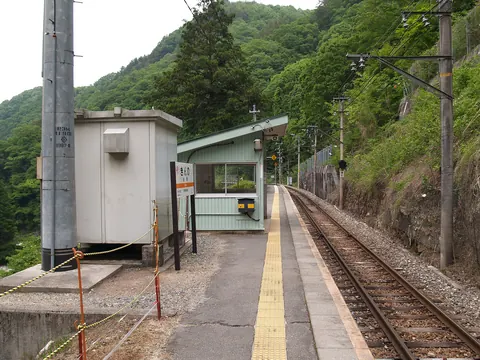
Kinno Station
金野駅Deep in the mountains of Nagano, Kinno Station offers a tranquil escape. With no direct road access, a winding path leads to a remote hamlet.
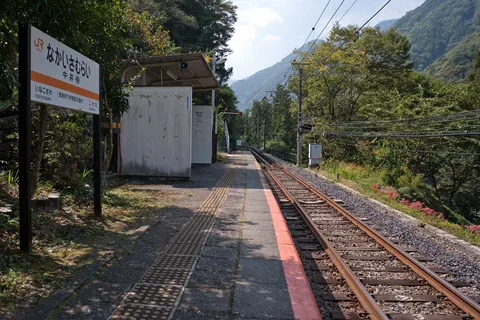
Nakaisamurai Station
中井侍駅Perched high above the river, Nakaisamurai Station is extremely remote. A terrifyingly narrow, winding road leads to just two houses, with the main road on the opposite bank.
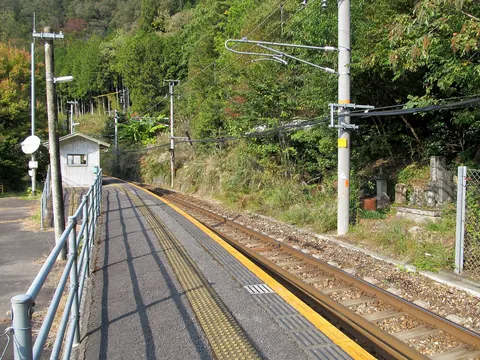
Shiteguri Station
為栗駅Only two houses remain at this remote station; the rest of the village was submerged. Access is via a suspension bridge across the river, beyond a narrow road.
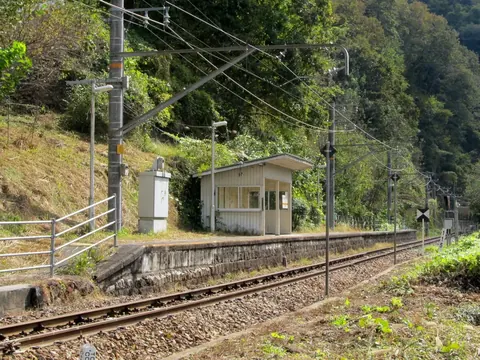
Chiyo Station
千代駅Deep in the mountains, Chiyo Station offers a unique blend of nature and industrial history. Explore remnants of its gravel extraction past, including old hoppers and freight lines.
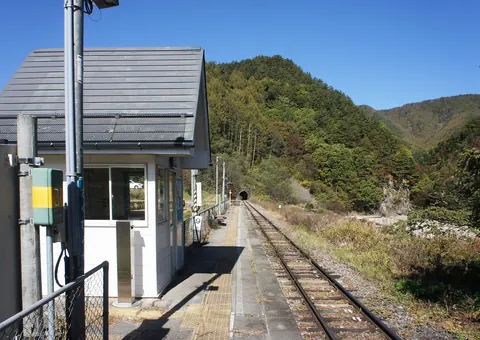
Sakuhirose Station
佐久広瀬駅Tucked away by the Chikuma River, Sakuhirose Station offers a peaceful stop amidst a few homes and an agricultural collection point. Its modest waiting room provides a quiet retreat.
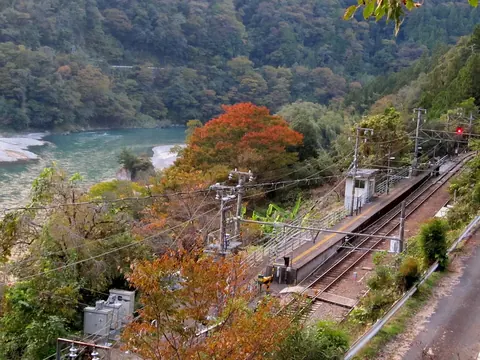
Inakozawa Station
伊那小沢駅Nestled in a quiet valley, Inakozawa Station is a remote stop on the Iida Line, renowned for its beautiful winter cherry blossoms and tranquil atmosphere.
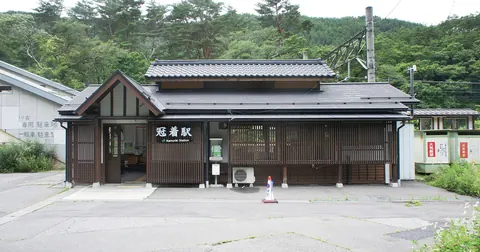
Kamuriki Station
冠着駅Journey to Kamuriki Station, nestled away from civilization. Its well-preserved old station building offers a charming, atmospheric glimpse into the past.
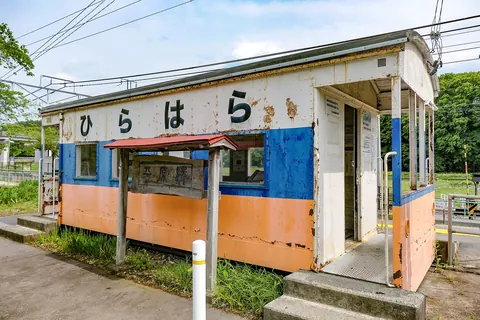
Hirahara Station
平原駅Tucked away from the main road, Hirahara Station is a rare freight car station on Honshu, offering a peaceful rural escape.
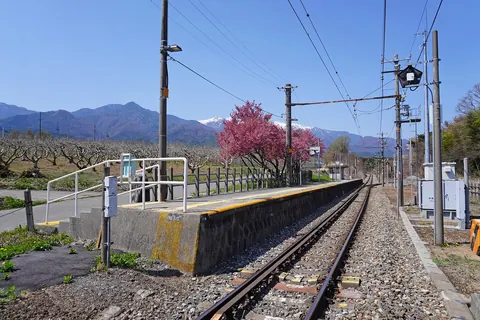
Inatajima Station
伊那田島駅Inatajima Station, nestled in Nagano Prefecture, offers a peaceful atmosphere with scattered houses and expansive orchards. Its easy access makes it a charming stop along the Iida Line.
Gifu 岐阜
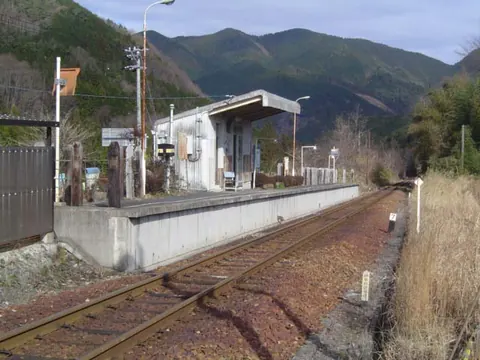
Iinuma Station
飯沼駅Nestled on a steep 33.3 permil gradient, Iinuma Station offers a remarkably quiet atmosphere amidst a handful of houses. Its remote charm is easily accessible by train.
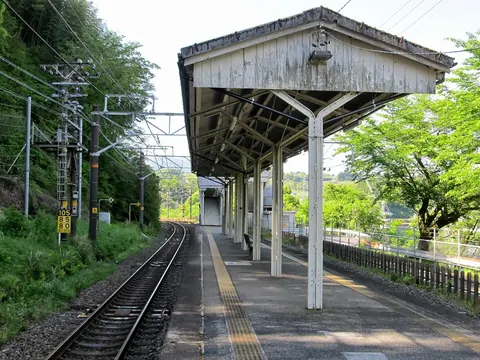
Ochiaigawa Station
落合川駅Nestled in steep terrain along the Kiso River, Ochiaigawa Station offers stunning cherry blossoms and views of Ochiai Dam. Despite its remote feel, it's easily accessible by train.
Shizuoka 静岡
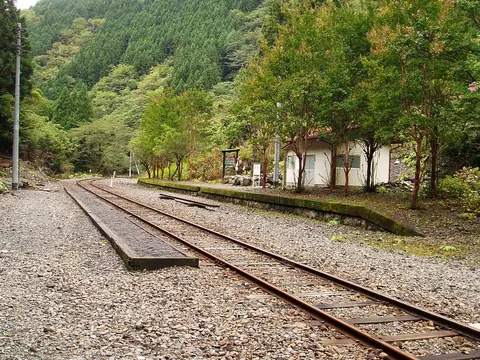
Omori Station
尾盛駅Deep in the mountains with no road access, Omori Station is a true wilderness. Be cautious of bears and listen for the calls of wild dogs.
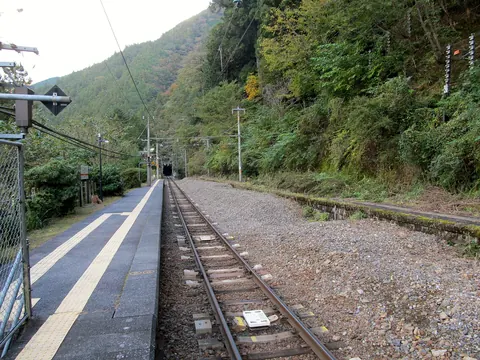
Kowada Station
小和田駅Reaching Kowada Station, nestled in an uninhabited area with no road access, is an adventure. Discover the old wooden station building, ruined houses, and a fallen suspension bridge, all hinting at a forgotten past.
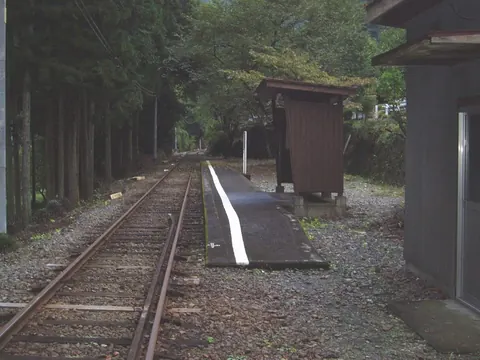
Domoto Station
土本駅Nestled deep in the forest, Domoto Station was once a land-locked island accessible only by train. Today, a narrow, winding road hints at its secluded charm.
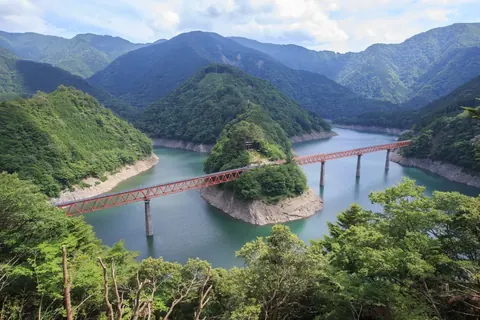
Okuoikojo Station
奥大井湖上駅This incredibly remote station, accessible only by train, sits on a peninsula surrounded by a dam lake. Despite its isolation, it attracts many visitors to its unique, scenic location.
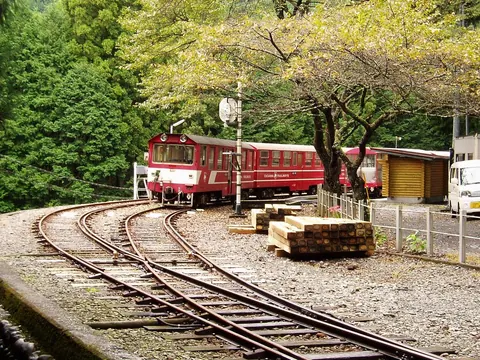
Kawanekoyama Station
川根小山駅Deep within the mountains, Kawanekoyama Station is subtly concealed in the woods, with its entrance barely visible. Only a few scattered houses hint at a distant community.
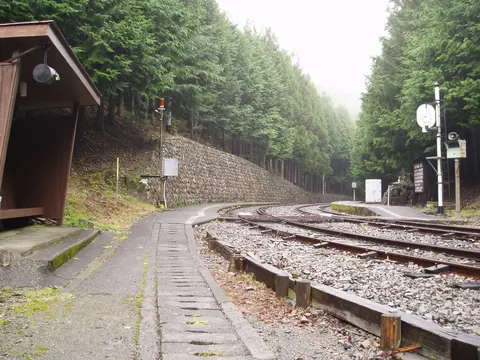
Kanzo Station
閑蔵駅Nestled in a dim forest, Kanzo Station offers a remote feel despite surprisingly good road access. It serves just three houses and features train passing loops.
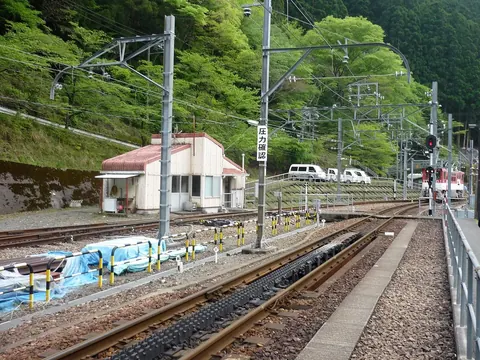
Aputoichishiro Station
アプトいちしろ駅Deep in the mountains, Aputoichishiro Station serves a power plant. This staffed station is a key point where locomotives for the Abt system await their next journey.
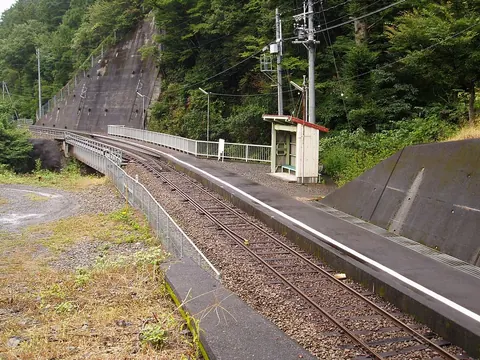
Hiranda Station
ひらんだ駅Nestled by a dam lake, Hiranda Station offers scenic views, though its narrow, winding access road and remote location make it a tranquil escape.
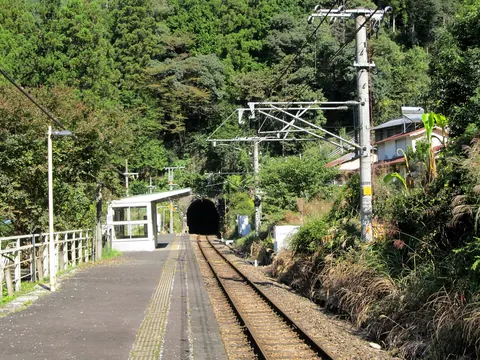
Aizuki Station
相月駅Nestled between tunnels, Aizuki Station offers a unique charm. Though near a national route, reaching it requires ascending a long staircase to discover its four scattered houses.
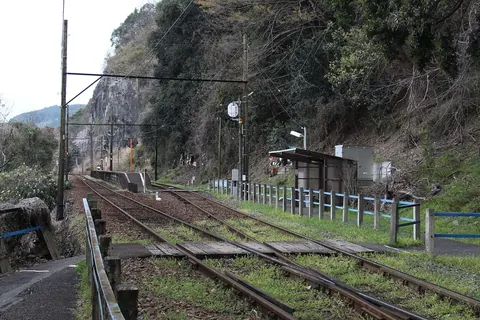
Kamio Station
神尾駅Deep in a dense forest with no easy road access, Kamio Station offers stunning views of the Oi River. Keep an eye out for the charming tanuki statues!
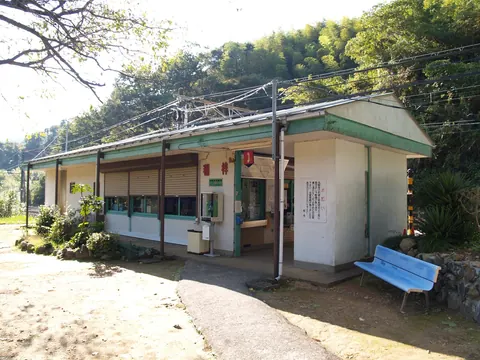
Inazusa Station
稲梓駅Nestled in a dim valley, Inazusa Station offers a quiet escape away from main roads, with a small cluster of homes visible below. Its easy access makes it a gentle introduction to Japan's hidden railways.
Aichi 愛知
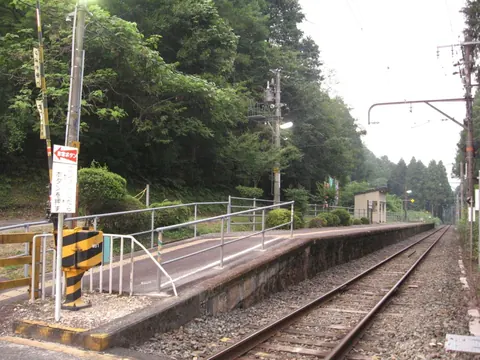
Kakidaira Station
柿平駅Tucked away amid dense woods, Kakidaira Station serves a small cluster of homes. Its quiet, dim platform is a short detour from the main road.
Mie 三重
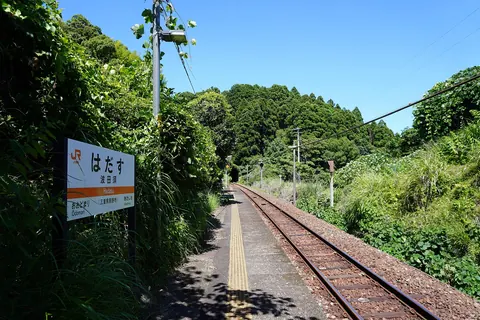
Hadasu Station
波田須駅Nestled between tunnels on a steep slope, Hadasu Station serves a small, remote coastal community. Its challenging access adds to the mystique of this scenic stop.
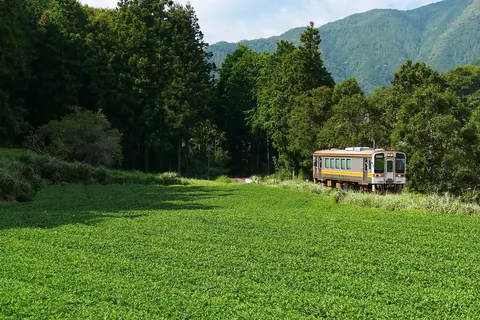
Isekamakura Station
伊勢鎌倉駅Tucked away in a tranquil setting, Isekamakura Station offers a peaceful escape. With only three houses nearby, it's a truly quiet retreat.
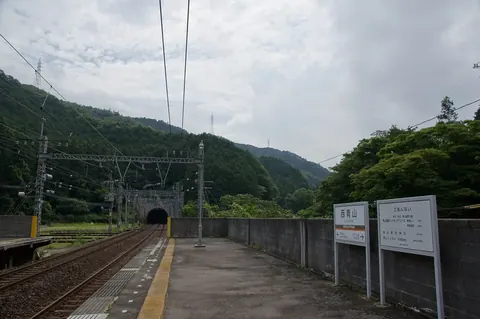
Nishiaoyama Station
西青山駅Nishiaoyama Station offers a stark, uninhabited concrete platform perched above a river. Despite its remote feel, a busy national highway passes nearby.
Shiga 滋賀
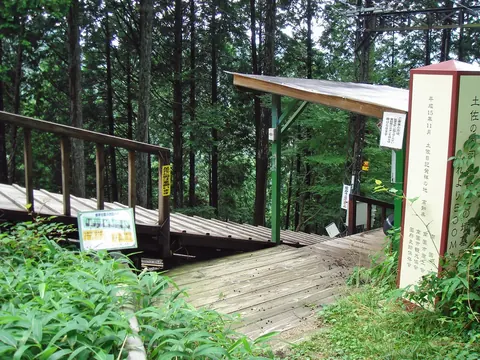
Motateyama Station
もたて山駅Deep in the mountains with no road access, Motateyama Station is a true hidden gem. Alight on its steep, wooden platform for an unparalleled remote experience.
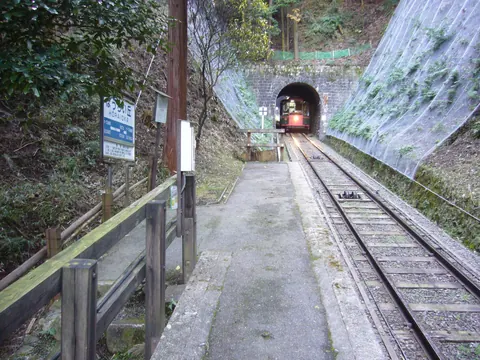
Horaioka Station
ほうらい丘駅Deep in the mountains with no human dwellings, Horaioka Station is a remote spiritual haven. Access is challenging, with no pedestrian paths and requiring prior notification to alight.
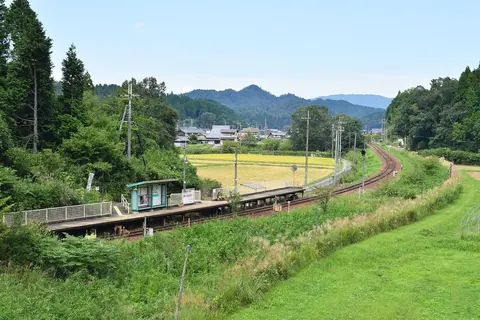
Gyokukeijimae Station
玉桂寺前駅Nestled in the woods far from homes, Gyokukeijimae Station offers a tranquil riverside atmosphere and a charming suspension bridge.
Kyoto 京都
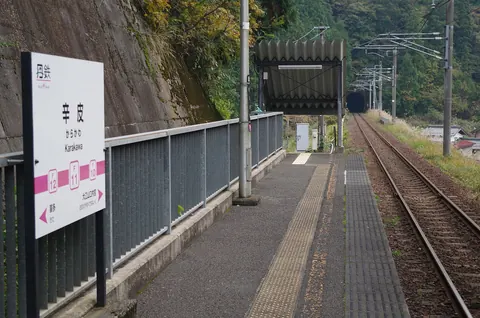
Karakawa Station
辛皮駅Deep in the mountains of Kyoto Prefecture, Karakawa Station serves a secluded village of just a few homes. Its remote charm offers a glimpse into a quiet, forgotten Japan.
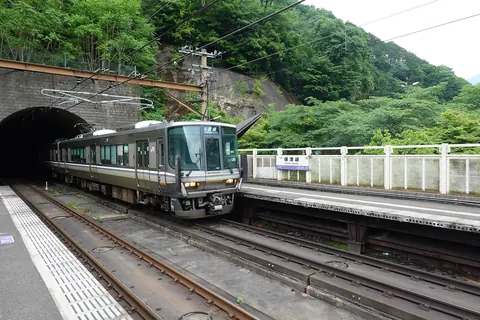
Hozukyo Station
保津峡駅Perched on a bridge with no houses in sight, Hozukyo Station offers spectacular gorge views. Access is challenging, with winding, narrow roads leading to this remote spot.
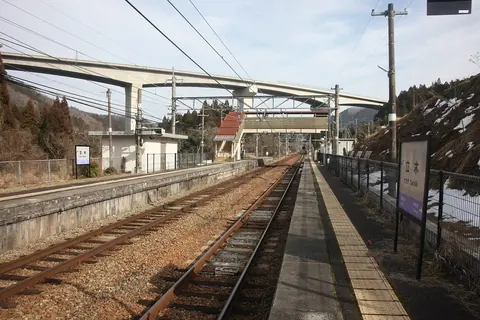
Tachiki Station
立木駅Nestled in a quiet mountain valley, Tachiki Station offers a peaceful retreat. Its unique, small capsule-shaped waiting room serves a handful of nearby homes.
Hyogo 兵庫
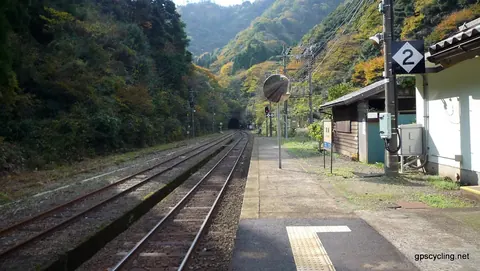
Igumi Station
居組駅Discover Igumi Station, a quiet stop on the San'in Main Line. While the old wooden station building is gone, a small cluster of homes lies just 500m away.
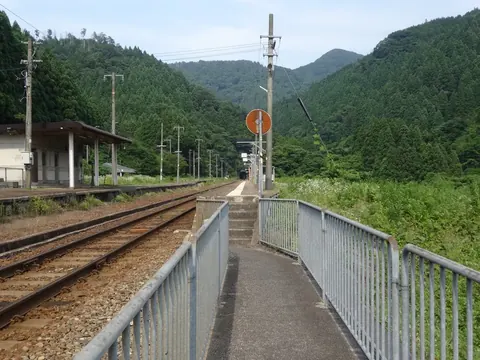
Kutani Station
久谷駅Tucked away on the San'in Line, Kutani Station offers a tranquil escape far from residences and main roads. Its remote charm is enhanced by recent removal of exchange facilities.
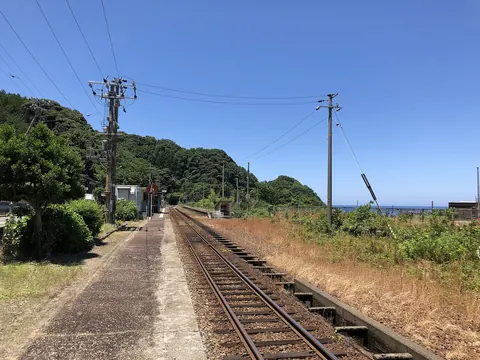
Yoroi Station
鎧駅Perched on a quiet hill overlooking a fishing port, Yoroi Station offers serene views, reachable by train with moderate effort.
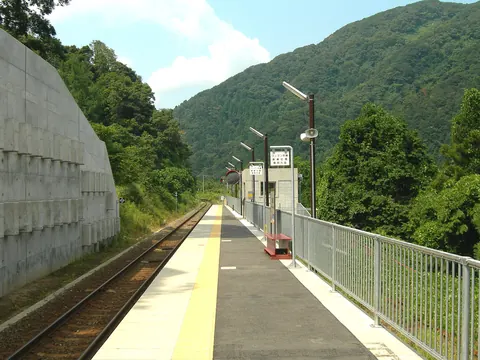
Amarube Station
餘部駅Perched beside the famous Amarube Viaduct, this station offers stunning views. While easily accessible by train, a short, steep slope leads to the platform, now aided by an elevator.
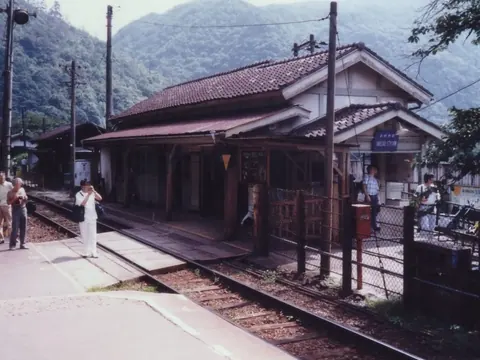
Takedao Station
武田尾駅Hidden within a tunnel near a major city, Takedao Station offers a unique blend of nature and frequent train access. Discover this easily accessible secret.
Nara 奈良
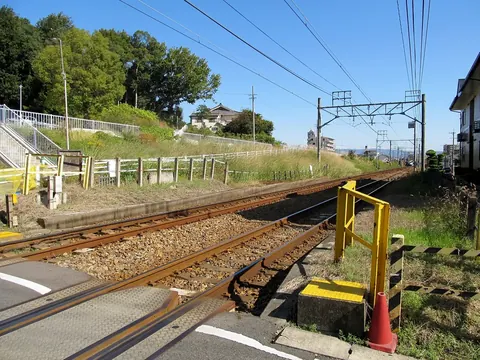
Kasumigaoka Station
霞ケ丘駅Deep in the mountains with no road access, Kasumigaoka Station is a challenging ascent. This remote, staircase-like platform is a true hiker's reward.
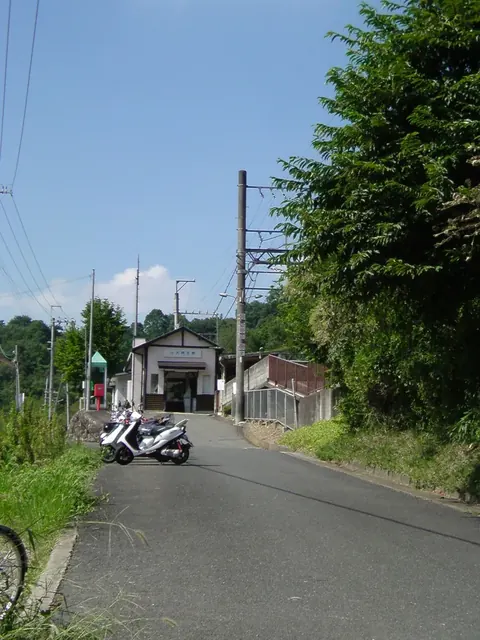
Oada Station
大阿太駅Once planned for a housing development, Oada Station now stands quietly amidst nature with few houses. The station building is unstaffed, but a pear orchard is nearby.
Wakayama 和歌山
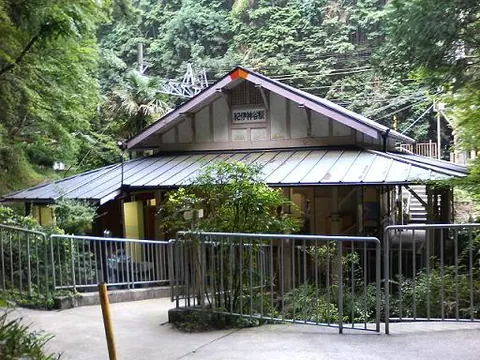
Kiikamiya Station
紀伊神谷駅Nestled deep within a dense forest, Kiikamiya Station offers a journey back in time. This remote stop with an old station building is surrounded by nature, far from any human habitation.
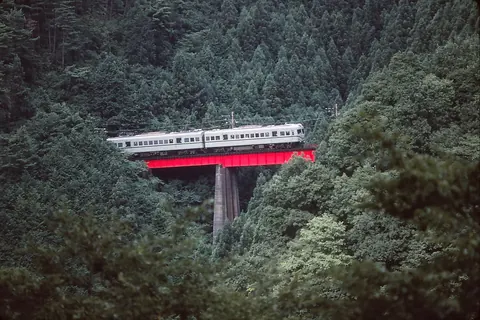
Kiihosokawa Station
紀伊細川駅Perched above a village, Kiihosokawa Station offers scenic views from its charming old station building. Reaching it involves a long climb, adding to its remote appeal.
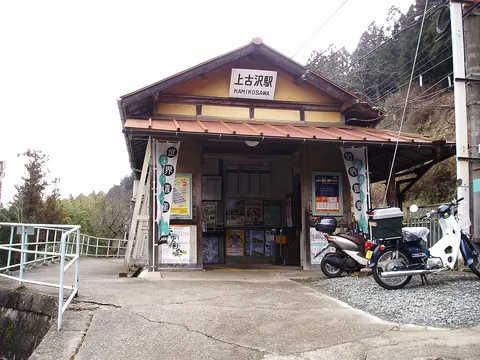
Kamikosawa Station
上古沢駅Nestled deep in the mountains, Kamikosawa Station offers a glimpse into the past with its tilting, old station building. This remote stop is accessible only by train.
Shimane 島根
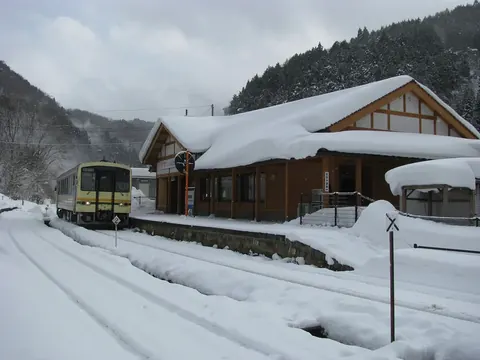
Izumosakane Station
出雲坂根駅This active switchback station, with a new building, is a popular spot despite its remote setting. Visitors come for the famed spring water.
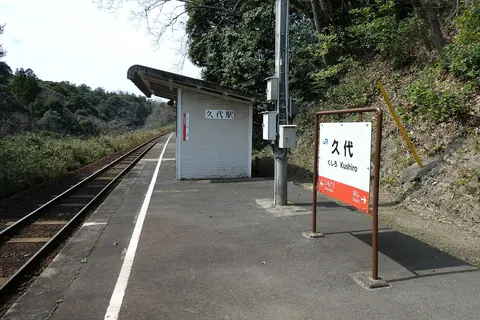
Kushiro Station
久代駅Nestled amidst bamboo groves and mountain rice paddies, Kushiro Station offers a tranquil escape far from the main road and human settlements. Its remote charm is easily accessible by train.
Okayama 岡山
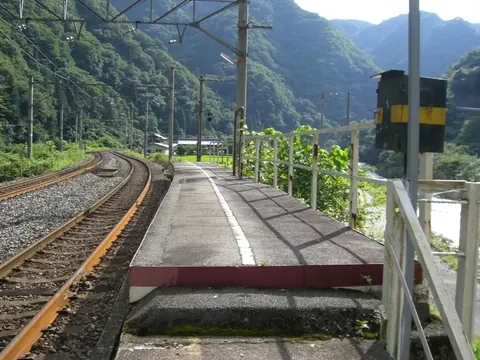
Nunohara Station
布原駅Deep in the mountains, Nunohara Station, once a signal box, serves only Geibi Line trains. Surrounded by just three houses, its short platform accommodates only a single carriage.
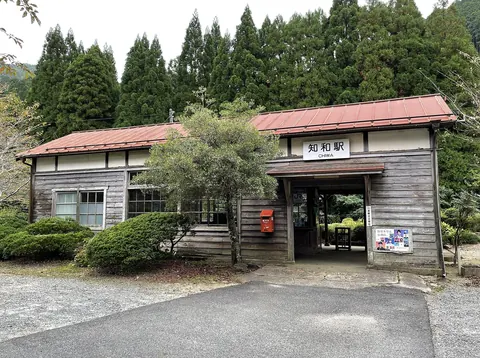
Chiwa Station
知和駅With its charming old wooden station building and a handful of houses, Chiwa Station offers a glimpse into a bygone era. It's easily accessible by road, making it a gentle introduction to remote rail travel.
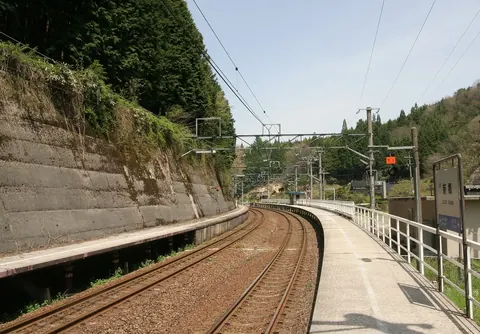
Shingo Station
新郷駅Tucked away in Okayama Prefecture, Shingo Station offers a glimpse into history. With just a few houses nearby, it's a quiet stop where trains still meet.
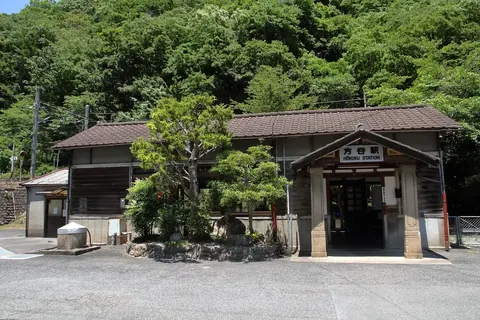
Hokoku Station
方谷駅Nestled beside the Takahashi River, Hokoku Station offers a glimpse into rural life, with a few houses and an old wooden station building. A busy national road runs across the river, a stone's throw away.
Hiroshima 広島
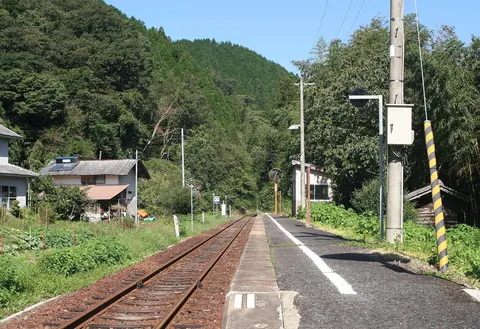
Uchina Station
内名駅Deep in the mountains, Uchina Station is barely visible, nestled in a bamboo grove. A single house is nearby, but the village lies across the river.
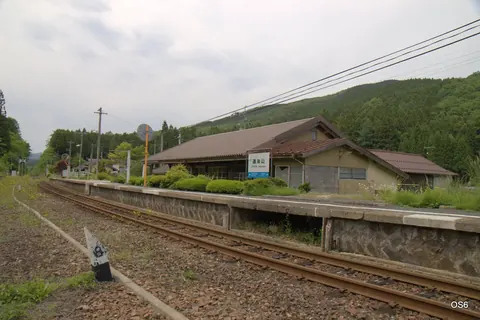
Dogoyama Station
道後山駅A remote station with scattered ruined buildings, Dogoyama Station once served a now-defunct ski resort. Inside its old wooden station house, a fire truck stands guard.
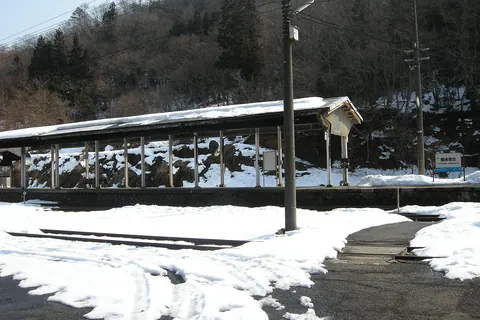
Bingochiai Station
備後落合駅Deep in the mountains, Bingochiai Station, a historic junction, reveals traces of its prosperous past. Despite its remote setting, three houses hint at a once livelier community.
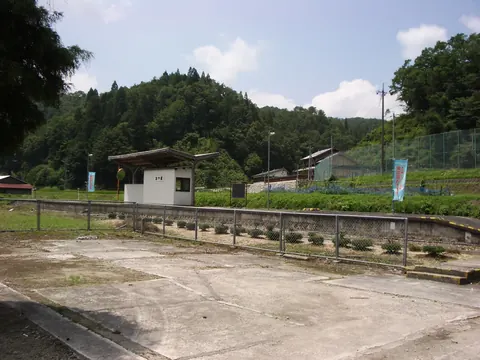
Yuki Station
油木駅Nestled in a quiet mountain village with a few houses, Yuki Station offers a glimpse into a bygone era. Although the station-front shop is closed, access is easy from the national road.
Yamaguchi 山口
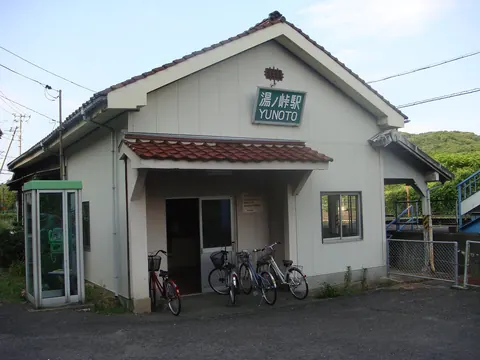
Yunoto Station
湯ノ峠駅Tucked away from main roads, Yunoto Station offers a quiet escape. Explore its well-preserved wooden station building amidst a handful of houses.
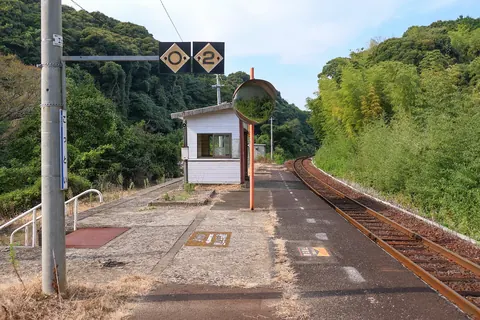
Kottoi Station
特牛駅Nestled in a quiet mountain village, Kottoi Station, with its charmingly aged station building, offers a glimpse into Japan's serene rural past.
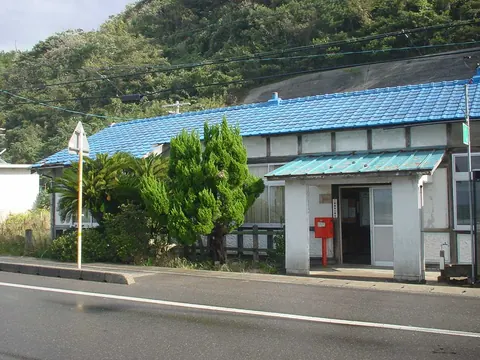
Utago Station
宇田郷駅Though easily accessible by road, Utago Station stands alone, far from homes. The old station building is gone, leaving only memories.
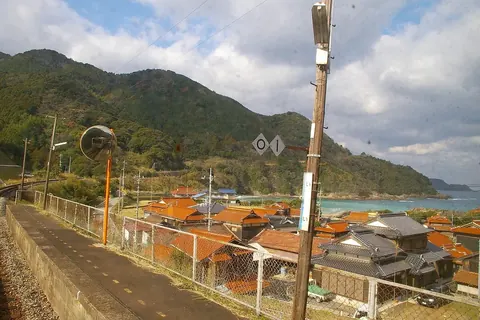
Ii Station
飯井駅Perched on a hill overlooking a fishing village, Ii Station offers serene views. Access is challenging via narrow, difficult roads.
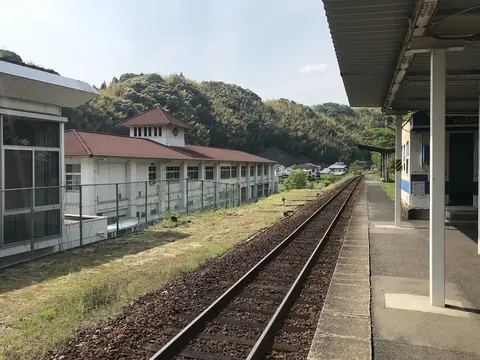
Shuchikasagami Station
守内かさ神駅Tucked away in the mountains, Shuchikasagami Station offers a unique blend of industrial activity and natural isolation, with its platform hidden by surrounding woods.
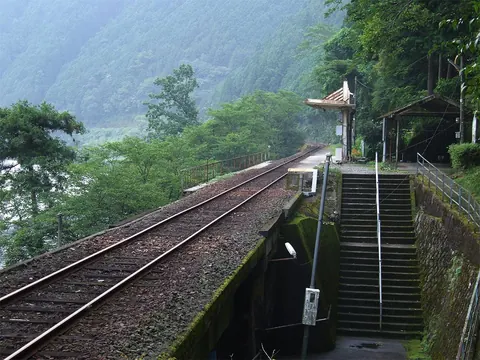
Naguwa Station
南桑駅Nestled by the clear stream of the Nishiki River, Naguwa Station offers a serene, moss-covered escape. A few houses dot this tranquil, dimly lit riverside hamlet.
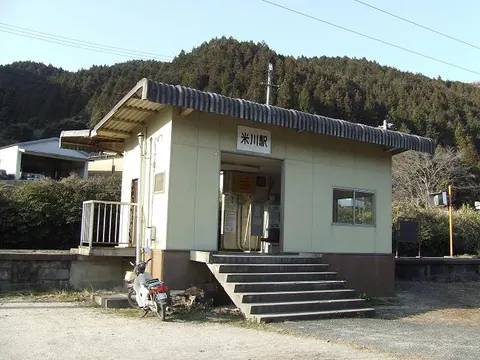
Yonekawa Station
米川駅Nestled on a hill overlooking the Shimada River, Yonekawa Station offers a tranquil escape. Though easily accessible, it provides a quiet atmosphere away from main roads, with a small cluster of homes nearby.
Tokushima 徳島
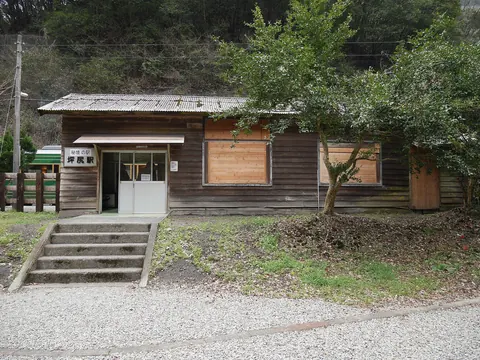
Tsubojiri Station
坪尻駅Deep in an uninhabited zone, Tsubojiri Station is a switchback marvel with no road access. Reaching the national highway requires a steep, rough 15-minute walk.
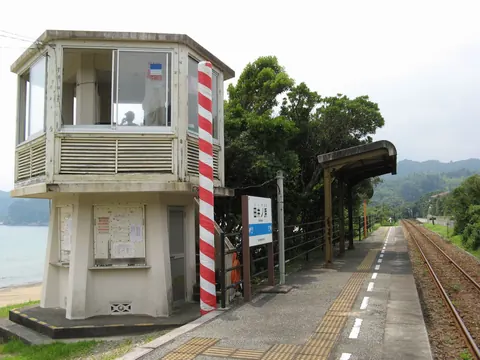
Tainohama Station
田井ノ浜駅Once a summer gateway for beachgoers, Tainohama Station is now suspended, its tracks silent year-round. This remote coastal stop once served a scattering of homes.
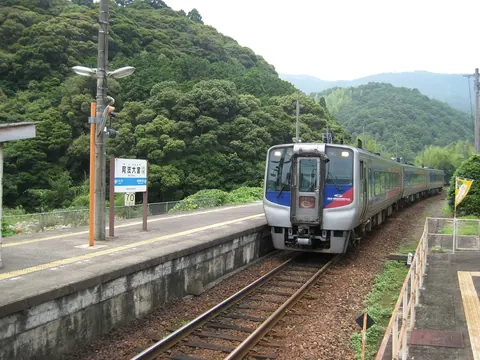
Awaomiya Station
阿波大宮駅Nestled in the mountains of Tokushima, Awaomiya Station is a tranquil passing loop serving a tiny hamlet. Its preserved old station building adds to its secluded charm.
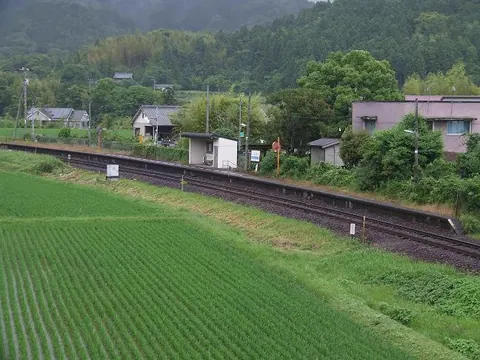
Hegawa Station
辺川駅Nestled by a river, Hegawa Station offers a serene escape with few houses nearby and minimal foot traffic, despite its easy access. A timber factory stands opposite this peaceful stop.
Ehime 愛媛
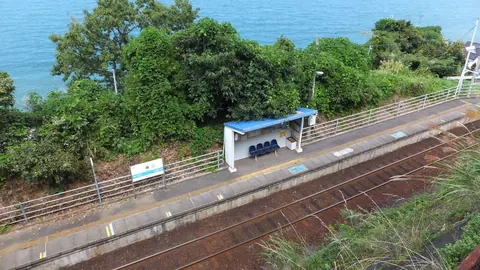
Kushi Station
串駅Perched on a hill with views of the Iyonada Sea, Kushi Station is remote, with only three buildings nearby. Its train access is challenging, and it's quite a distance from the main road.
Kochi 高知
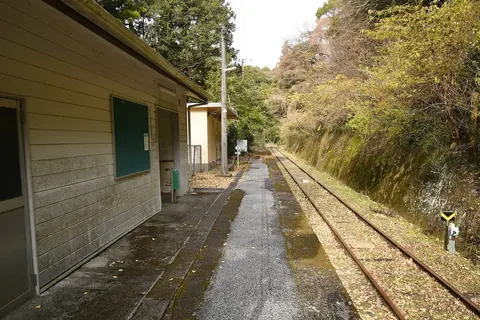
Shingai Station
新改駅Deep in the mountains of Kochi, Shingai Station is a remote switchback station, accessible via a narrow, winding road or by train. Its high scores reflect its isolation.
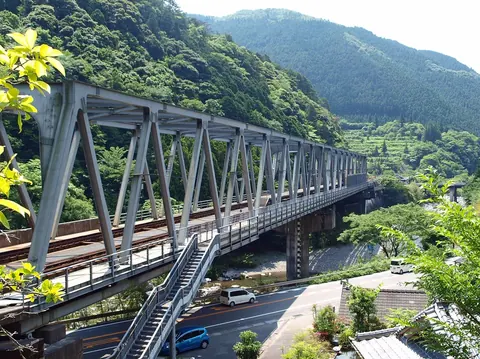
Tosakitagawa Station
土佐北川駅Perched on a trestle bridge, Tosakitagawa Station offers a unique vantage point over the bustling national road across the river, serving a tiny hamlet.
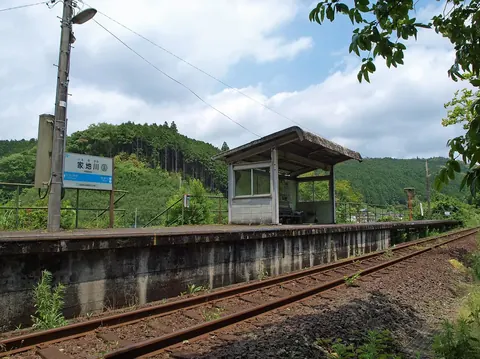
Iejigawa Station
家地川駅Tucked away in a quiet mountain village, Iejigawa Station offers a peaceful retreat. Despite good road access, train travel here feels like a hidden gem.
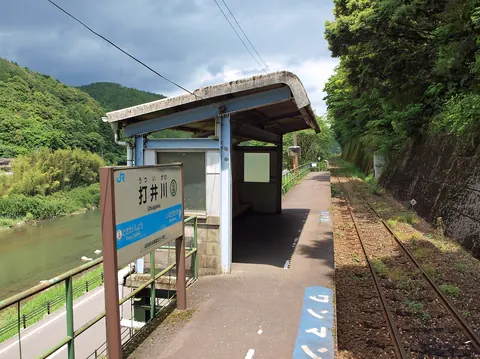
Utsuigawa Station
打井川駅Perched on a hill overlooking the Shimanto River, Utsuigawa Station offers a quiet escape. Though remote, a few houses dot the landscape.
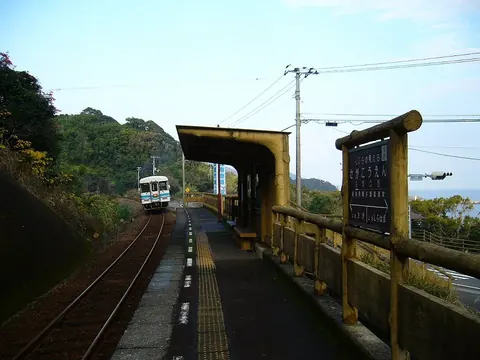
Sagakoen Station
佐賀公園駅Though easily accessible, Sagakoen Station offers beautiful ocean views. This charming stop serves a park of the same name.
Fukuoka 福岡
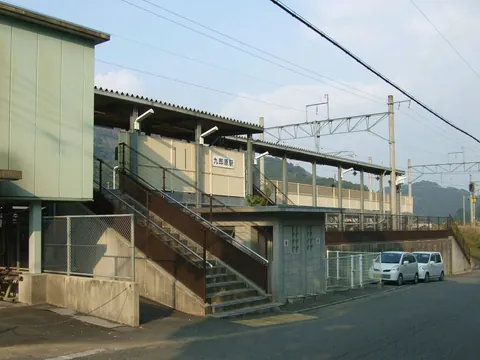
Kurobaru Station
九郎原駅Nestled in the mountains of Fukuoka, Kurobaru Station offers a tranquil escape. Though few homes dot the landscape, over half of local trains pass by this quiet stop.
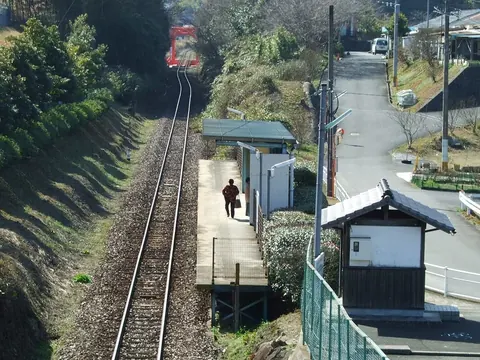
Genjiinomori Station
源じいの森駅Tucked away from main roads, Genjiinomori Station offers a quiet escape. Discover a small community and relaxing hot spring facilities.
Saga 佐賀
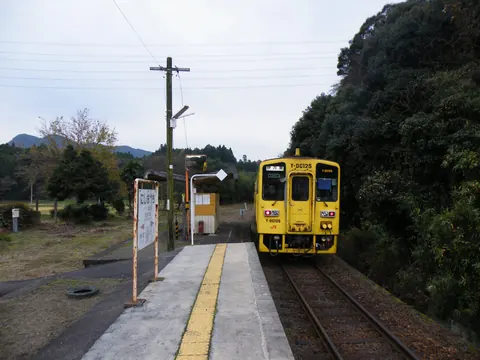
Nishiochi Station
西相知駅Once a bustling coal mining hub, Nishiochi Station now stands in quiet solitude, surrounded by a sparse scattering of homes and remnants of its industrial past, including old freight platforms.
Kumamoto 熊本
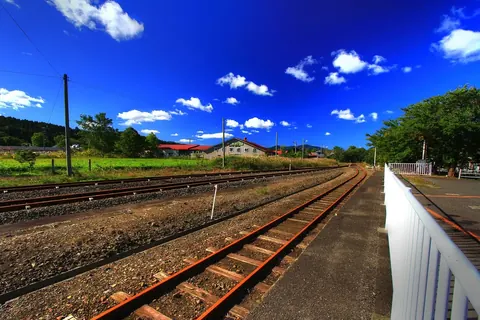
Okoba Station
大畑駅Nestled deep in the mountains of Kumamoto, Okoba Station is Japan's only switchback station on a loop line. Only a few houses dot the remote landscape.
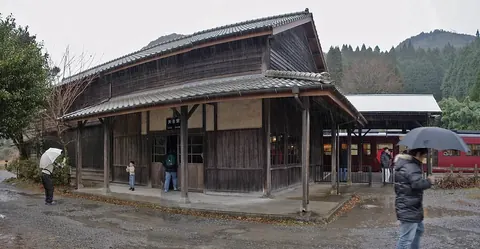
Yatake Station
矢岳駅Nestled deep in the mountains, Yatake Station offers a charming, old-world atmosphere. Explore the preserved D51 steam locomotive at the adjacent museum.
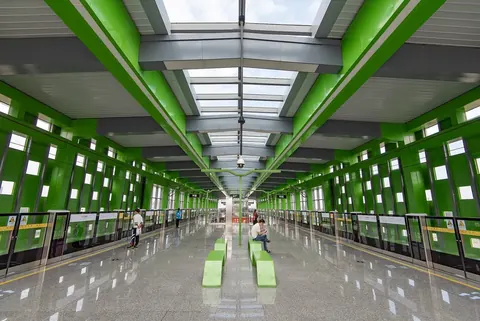
Kaiji Station
海路駅Nestled by the Kumagawa River with only a few houses nearby, Kaiji Station is currently suspended. Its remote location makes it a challenging discovery, even by train.
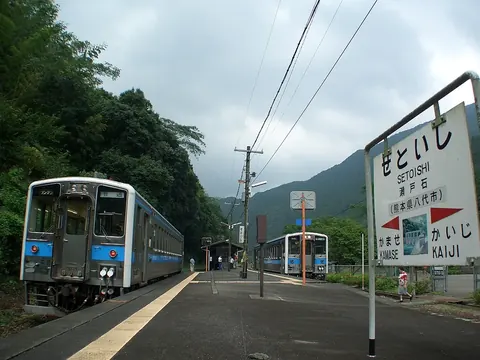
Setoishi Station
瀬戸石駅Accessible only by train, Setoishi Station sits by the river, with just one house nearby. This remote spot is currently suspended due to frequent flood damage.
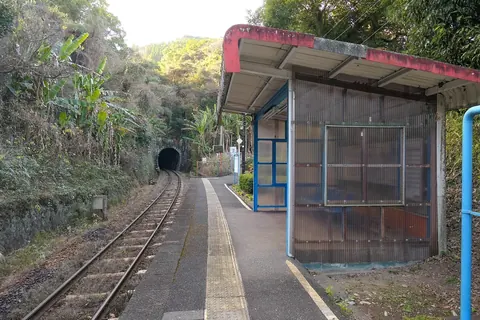
Akase Station
赤瀬駅Nestled in a remote area, Akase Station is reached by a narrow, steep path. Three houses are nearby, and the azaleas bloom beautifully, enhancing its charm.
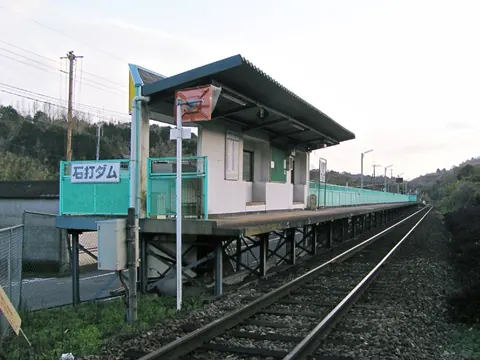
Ishiuchidamu Station
石打ダム駅A quiet mountain station serving a few houses, Ishiuchidamu features a unique waiting room designed to resemble a dam. Its low difficulty scores make it an accessible hidden gem.
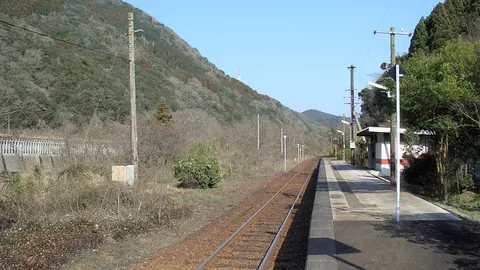
Naraguchi Station
那良口駅Naraguchi Station, currently suspended, offers a secluded charm. While the main road lies across the river, a small village can be found just behind the station.
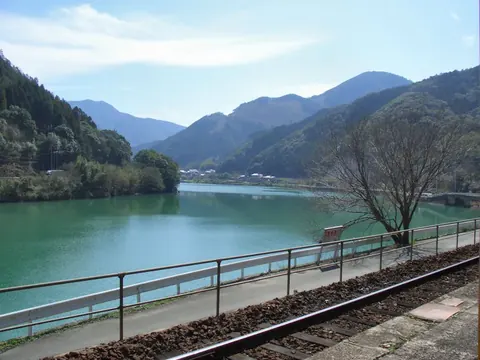
Yoshio Station
吉尾駅Currently suspended, Yoshio Station once offered a glimpse into rural life, with a few houses and a hot spring inn a short walk away. Its new waiting room hints at past bustling days.
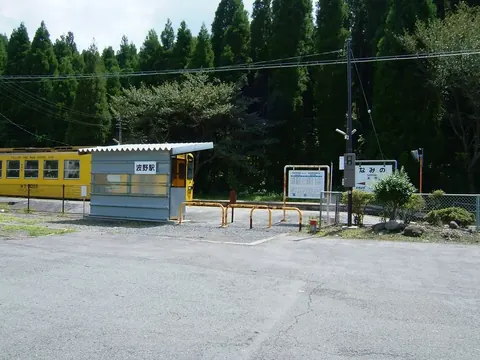
Namino Station
波野駅At Kyushu's highest station, find a quiet farming landscape and a handful of homes. Trains are infrequent, adding to the peaceful, remote atmosphere.
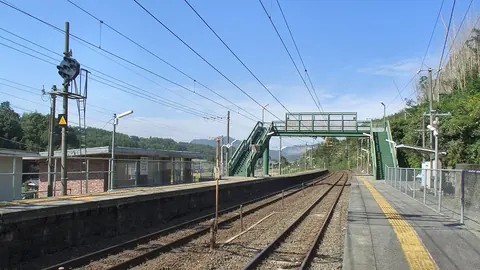
Tabaruzaka Station
田原坂駅Step off at Tabaruzaka Station, a quiet stop amidst a landscape steeped in historical conflict. Though easily accessible, it offers a poignant glimpse into Japan's past.
Oita 大分
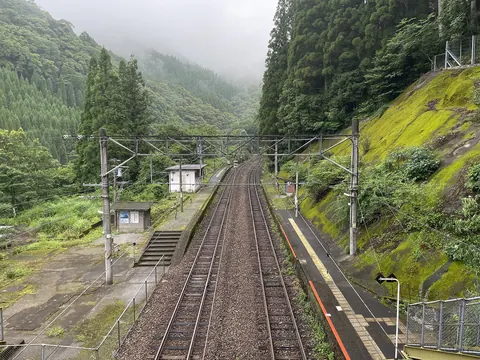
Sotaro Station
宗太郎駅Nestled deep in the mountains, Sotaro Station serves a small community. Despite its remote feel, a nearby national road and infrequent trains connect this tranquil spot.
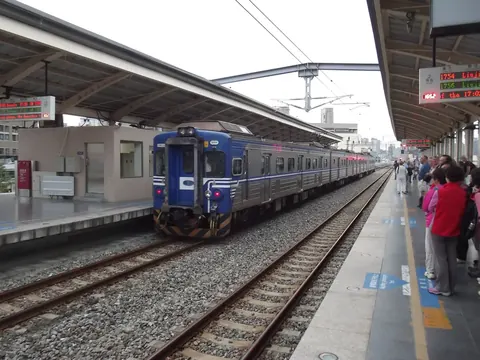
Takenaka Station
竹中駅Nestled quietly across the river from the main road, Takenaka Station offers a serene escape, though the local dog breeder might break the silence.
Miyazaki 宮崎
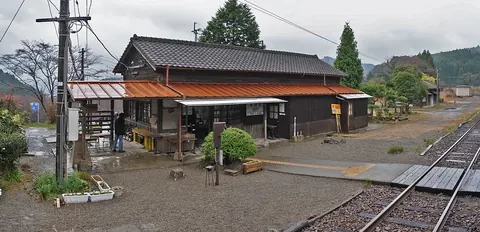
Masaki Station
真幸駅Deep in the mountains, Masaki Station is a historic switchback station with an old wooden building. Though remote, it offers a glimpse into a bygone era of rail travel.
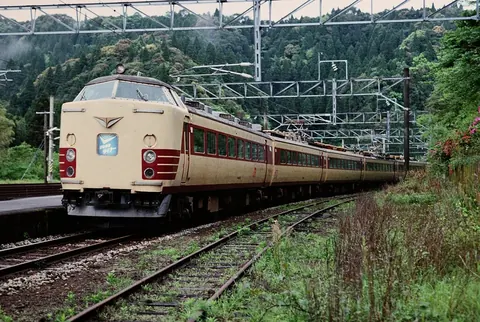
Aoidake Station
青井岳駅Deep in the mountains, Aoidake Station serves as a train passing point. Despite its remote, forested setting, a small cluster of three houses stands nearby.
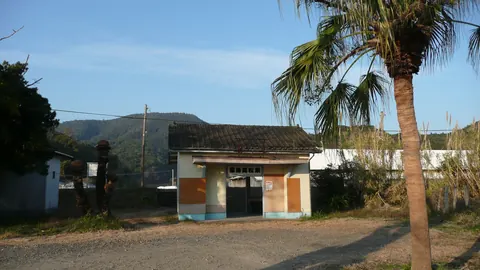
Fukushimatakamatsu Station
福島高松駅Nestled in a rural landscape, Fukushimatakamatsu Station offers a glimpse into local dairy farming life, with a welcoming, tropical-themed waiting room.
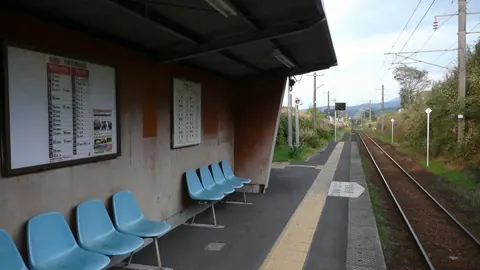
Mochibaru Station
餅原駅Nestled in a peaceful farming region, Mochibaru Station offers a quiet escape. A charming, if somewhat obscured, platform serves this small hamlet.
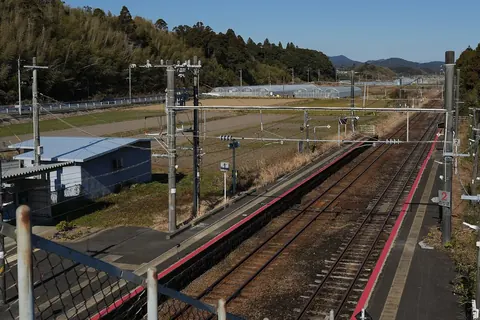
Higashitsuno Station
東都農駅A quiet station amidst a small cluster of homes, Higashitsuno offers a glimpse of Japan's technological past, with remnants of the linear motor car test track visible nearby.
Kagoshima 鹿児島
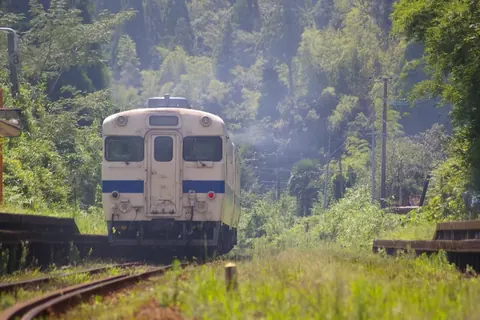
Hyokiyama Station
表木山駅Nestled deep in the mountains, Hyokiyama Station serves a scattering of homes. Once a signal station, it offers a glimpse into a tranquil, remote existence.
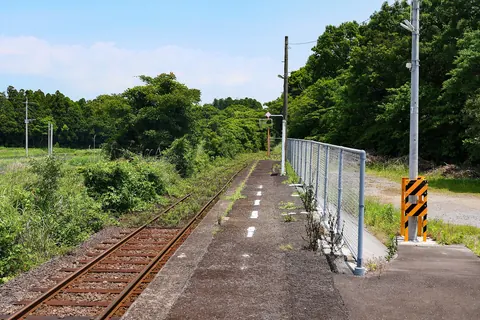
Satsumashioya Station
薩摩塩屋駅Surrounded by vast fields, a few houses dot the landscape near this station. Its platform shelter, however, shows signs of age with rust.
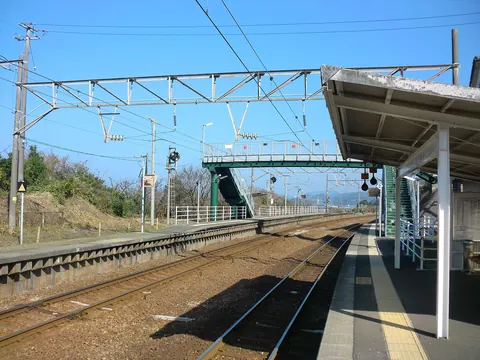
Satsumataki Station
薩摩高城駅Nestled near a stunning dune coast, Satsumataki Station offers scenic views. Though houses are distant, a ruined drive-in adds to its unique, secluded charm.
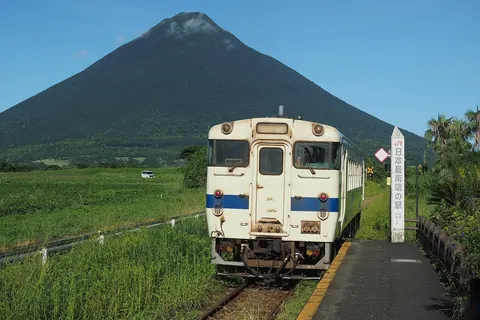
Nishioyama Station
西大山駅Japan's southernmost station offers panoramic views of Mt. Kaimondake. Despite its remote feel, it's easily accessible by road.
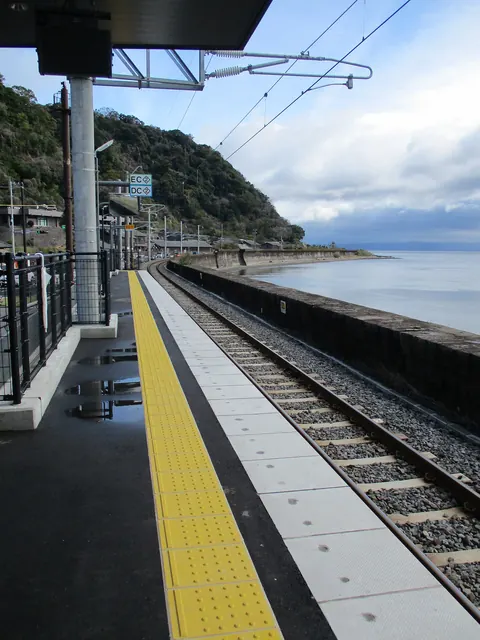
Ryugamizu Station
竜ケ水駅Despite its remote feel, this station offers magnificent views of Sakurajima volcano right from the platform, with a few houses nearby.
Photo credits
- Koboro Station — Japanbird — CC BY-SA 4.0 · source
- Omori Station — Cassiopeia sweet — Public domain · source
- Kowada Station — ButuCC — CC BY-SA 4.0 · source
- Tsubojiri Station — 暇・カキコ (Hima Kakiko) — CC BY-SA 4.0 · source
- Tamoto Station — ヒタチギ — Public domain · source
- Kinno Station — Nyao148 — CC BY 3.0 · source
- Nukanan Station — Mister0124 — CC BY-SA 4.0 · source
- Shingai Station — Saigen Jiro — CC0 · source
- Shiraikaigan Station — くろふね — CC BY 4.0 · source
- Nakaisamurai Station — Planetary — CC BY-SA 3.0 · source
- Motateyama Station — PekePON — CC BY-SA 3.0 · source
- Horaioka Station — Bergmann — CC BY-SA 3.0 · source
- Shiteguri Station — ButuCC — CC BY-SA 4.0 · source
- Toge Station — Mister0124 — CC BY-SA 4.0 · source
- Domoto Station — Cassiopeia sweet — Public domain · source
- Ojikakogen Station — くろふね — CC BY 3.0 · source
- Okoba Station — くろふね — CC BY 3.0 · source
- Shimonuma Station — Mister0124 — CC BY-SA 4.0 · source
- Uchina Station — Mitsuki-2368 — CC BY-SA 3.0 · source
- Chiyo Station — ButuCC — CC BY-SA 4.0 · source
- Kasumigaoka Station — ButuCC — CC BY-SA 4.0 · source
- Masaki Station — z tanuki — CC BY 3.0 · source
- Bakkai Station — MaedaAkihiko — CC0 · source
- Nunohara Station — w:ja:User:Mitsuki-2368 — CC BY-SA 3.0 · source
- Mega Station — Mister0124 — CC BY-SA 4.0 · source
- Sotaro Station — にっしーーー — CC BY-SA 4.0 · source
- Okuoikojo Station — Unknown authorUnknown author — Attribution · source
- Yatake Station — z tanuki — CC BY 3.0 · source
- Kushiroshitsugen Station — MaedaAkihiko — CC BY-SA 4.0 · source
- Dogoyama Station — OS6 — CC BY-SA 3.0 · source
- Kawanekoyama Station — Cassiopeia sweet — Public domain · source
- Minamihoronobe Station — Mister0124 — CC BY-SA 4.0 · source
- Okunikkawa Station — くろふね (Kurofune) — CC BY 3.0 · source
- Kugahara Station — Hasec — CC0 · source
- Teshiogawaonsen Station — Mister0124 — CC BY-SA 4.0 · source
- Kamiarisu Station — Mister0124 — CC BY-SA 4.0 · source
- Konbumori Station — Mr-haruka — CC BY-SA 3.0 · source
- Oshimanumajiri Station — Mister0124 — CC BY-SA 4.0 · source
- 雄信内 — Mister0124 — CC BY-SA 4.0 · source
- Kanzo Station — Cassiopeia sweet — Public domain · source
- Omoshiroyamakogen Station — Mister0124 — CC BY-SA 4.0 · source
- Osashima Station — 切干大根 (Kiriboshi Daikon) — CC BY-SA 4.0 · source
- Kitachippubetsu Station — Rory trains — CC BY-SA 4.0 · source
- Oriwatari Station — 掬茶 This photo was taken with Sony ILCE-6300 — CC BY-SA 4.0 · source
- Uge Station — yasara — CC BY-SA 3.0 · source
- Okawadamukoen Station — Tennen-Gas — CC BY-SA 3.0 · source
- Aputoichishiro Station — Suikotei — CC BY-SA 4.0 · source
- Genseikaen Station — Mr-haruka — CC BY-SA 3.0 · source
- Higashishikagoe Station — Nesnad — CC BY 4.0 · source
- Kiikamiya Station — K's at Japanese Wikipedia — CC BY-SA 3.0 · source
- Sakuhirose Station — Mister0124 — CC BY-SA 4.0 · source
- Hosoka Station — Yobito KAYANUMA — CC BY-SA 3.0 · source
- Hatsuno Station — Mister0124 — CC BY-SA 4.0 · source
- Chihoku Station — Mr-haruka — CC BY-SA 3.0 · source
- Mizuho Station — Mr-haruka — CC BY-SA 3.0 · source
- Nishimemanbetsu Station — Mr-haruka — CC BY-SA 3.0 · source
- Osawa Station — くろふね — CC BY 4.0 · source
- Tsugaruyunosawa Station — 掬茶 — CC BY-SA 4.0 · source
- Abukuma Station — Townphoto — CC BY 3.0 · source
- Matsukusa Station — こーらる at Japanese Wikipedia — CC BY 3.0 · source
- Ashidaki Station — Mister0124 — CC BY-SA 4.0 · source
- Inakozawa Station — ButuCC — CC BY-SA 4.0 · source
- Karakawa Station — Gohachiyasu1214 — CC BY-SA 4.0 · source
- Ichinowatari Station — Yasaraseki — CC BY-SA 3.0 · source
- Hayato Station — くろふね — CC BY 4.0 · source
- Tainohama Station — Bakkai at Japanese Wikipedia — CC BY-SA 3.0 · source
- Kaiji Station — Siyuwj — CC BY-SA 4.0 · source
- Shiokari Station — Mister0124 — CC BY-SA 4.0 · source
- Itaya Station — Mister0124 — CC BY-SA 4.0 · source
- Kotaki Station — Rsa — CC BY-SA 3.0 · source
- Hiranda Station — Cassiopeia sweet — Public domain · source
- Hadasu Station — Mister0124 — CC BY-SA 4.0 · source
- Hyokiyama Station — Takasunrise0921 at Japanese Wikipedia — CC BY-SA 3.0 · source
- Hamaatsuma Station — Mister0124 — CC BY-SA 4.0 · source
- Aizuki Station — ButuCC — CC BY-SA 4.0 · source
- Otaki Station — Mister0124 — CC BY-SA 4.0 · source
- Todoroki Station — 掬茶 — CC BY-SA 4.0 · source
- Setoishi Station — Takasunrise0921 at Japanese Wikipedia — CC BY-SA 3.0 · source
- Isekamakura Station — MaedaAkihiko — CC BY-SA 4.0 · source
- Tonohetsuri Station — くろふね — CC BY 4.0 · source
- Eda Station — Mister0124 — CC BY-SA 4.0 · source
- Hirafu Station — Mister0124 — CC BY-SA 4.0 · source
- Ginzan Station — Jnr bus (talk · contribs) — CC BY-SA 3.0 · source
- Chibiki Station — Mister0124 — CC BY-SA 4.0 · source
- Aoidake Station — Olegushka — CC0 · source
- Katsurane Station — Mister0124 — CC BY-SA 4.0 · source
- Minamiimajo Station — Sunacat — CC0 · source
- Akase Station — MaedaAkihiko — CC BY-SA 4.0 · source
- Doai Station — RSSFSO — CC BY-SA 4.0 · source
- Kamio Station — IXTA9839 — CC BY-SA 4.0 · source
- Bishamon Station — まも(Mamo) — Public domain · source
- Igumi Station — Yobito KAYANUMA — CC BY-SA 3.0 · source
- Chiwa Station — 世界の坂田銀時 — CC BY-SA 4.0 · source
- Akaigawa Station — Ebeshi 1212 — CC BY-SA 4.0 · source
- Izumosakane Station — Aimaimyi — CC BY-SA 3.0 · source
- Shingo Station — Mitsuki-2368 — CC BY-SA 3.0 · source
- Godo Station — Mister0124 — CC BY-SA 4.0 · source
- Aizumizunuma Station — Mister0124 — CC BY-SA 4.0 · source
- 仁山 — Rsa — CC BY-SA 3.0 · source
- Appikogen Station — Mister0124 — CC BY-SA 4.0 · source
- Bingochiai Station — OS6 — CC BY-SA 3.0 · source
- Hiroto Station — Uehara82 — CC BY-SA 3.0 · source
- Okuani Station — Marho — CC BY-SA 4.0 · source
- Satsumashioya Station — MaedaAkihiko — CC BY-SA 4.0 · source
- Satsumataki Station — hyolee2 — CC BY-SA 3.0 · source
- Fukushimatakamatsu Station — Sanjo at Japanese Wikipedia — CC BY-SA 3.0 · source
- Kushi Station — Sunport1216 — CC BY-SA 4.0 · source
- Todera Station — Mister0124 — CC BY-SA 4.0 · source
- Nishiochi Station — Atsasebo — CC BY-SA 3.0 · source
- Kanayasawa Station — Mister0124 — CC BY-SA 4.0 · source
- Obarino Station — Mister0124 — CC BY-SA 4.0 · source
- Yokoma Station — (Songsknow) — CC BY-SA 3.0 · source
- Iwanome Station — Marho — CC BY-SA 4.0 · source
- Kayanuma Station — Mister0124 — CC BY-SA 4.0 · source
- Awaomiya Station — Charles's Wain at Japanese Wikipedia This photo was taken with Canon Digital IXUS 70 — CC BY-SA 3.0 · source
- Ishiuchidamu Station — Kouchiumi at Japanese Wikipedia — CC BY-SA 3.0 · source
- Naraguchi Station — MK Products at Japanese Wikipedia — CC BY-SA 3.0 · source
- Tosakitagawa Station — Navian — Public domain · source
- Takaya Station — Oos~commonswiki — CC BY-SA 4.0 · source
- Kiihosokawa Station — Gohachiyasu1214 — CC BY-SA 4.0 · source
- Tomamu Station — Rsa — CC BY-SA 3.0 · source
- Sashimaki Station — くろふね — CC BY 3.0 · source
- Yoshio Station — MK Products at Japanese Wikipedia — CC BY-SA 3.0 · source
- Tonosawa Station — Cassiopeia sweet — Public domain · source
- Tsutsuishi Station — くろふね — CC BY 3.0 · source
- Sabane Station — yasaraseki — Public domain · source
- Kutani Station — 聖石大戦ぶぅぶぅ — CC BY-SA 4.0 · source
- Iejigawa Station — Navian — Public domain · source
- Yunoto Station — The original uploader was Amy00 at Japanese Wikipedia. — CC BY-SA 3.0 · source
- Hozukyo Station — Smiley.toerist — CC BY-SA 4.0 · source
- Gyokukeijimae Station — Raita Futo from Tokyo, Japan — CC BY 2.0 · source
- Uchigamaki Station — Mister0124 — CC BY-SA 4.0 · source
- Utsuigawa Station — Navian — Public domain · source
- Yuki Station — Charles's Wain at Japanese Wikipedia — CC BY-SA 3.0 · source
- Tsuchitaru Station — くろふね — CC BY 3.0 · source
- Yoroi Station — Mitsuki-2368 — CC BY-SA 4.0 · source
- Nishioyama Station — Insightwm — CC BY-SA 4.0 · source
- Misashima Station — しご — CC BY-SA 4.0 · source
- Kottoi Station — MaedaAkihiko — CC BY-SA 4.0 · source
- Utago Station — The original uploader was Hykw-a4 at Japanese Wikipedia. — CC BY-SA 3.0 · source
- Nonodake Station — Mister0124 — CC BY-SA 4.0 · source
- Nanatsugataketozanguchi Station — Tennen-Gas — CC BY-SA 3.0 · source
- Sakaida Station — Mister0124 — CC BY-SA 4.0 · source
- Nakano Station — Navian — Public domain · source
- Sadori Station — Marho — CC BY-SA 4.0 · source
- Iinuma Station — The original uploader was Kone at Japanese Wikipedia. — CC BY-SA 3.0 · source
- Kurobaru Station — Muyo — CC BY-SA 3.0 · source
- Tachiki Station — Hatter.funny — CC0 · source
- Oikeikoinomori Station — Rsa — CC BY-SA 3.0 · source
- Koikawa Station — 塚田ゆうた — Public domain · source
- Toyohara Station — Mister0124 — CC BY-SA 4.0 · source
- Ii Station — Takasunrise0921 — CC BY-SA 3.0 · source
- Namino Station — GACHAN — CC BY-SA 3.0 · source
- Echigokanamaru Station — Mister0124 — CC BY-SA 4.0 · source
- Mochibaru Station — ja:User:Sanjo — Public domain · source
- Kushiro Station — 切干大根 — CC BY-SA 4.0 · source
- Hegawa Station — Fwnb — CC BY-SA 3.0 · source
- Nakane Station — Cheng-en Cheng from Taichung City, Taiwan — CC BY-SA 2.0 · source
- Amarube Station — Rsa — CC BY-SA 3.0 · source
- Inazusa Station — Nyao148 — CC BY-SA 3.0 · source
- Magarisawa Station — 掬茶 — CC BY-SA 4.0 · source
- Ide Station — 浅野ます道 — CC BY 3.0 · source
- Ubashima Station — Mister0124 — CC BY-SA 4.0 · source
- Kamuriki Station — Mister0124 — CC BY-SA 4.0 · source
- Kabuto Station — SCJiang — CC BY-SA 4.0 · source
- Uzenmatsuoka Station — Mister0124 — CC BY-SA 4.0 · source
- Shuchikasagami Station — そらみみ — CC BY-SA 4.0 · source
- Naguwa Station — 2008/07/22 — CC BY-SA 3.0 · source
- Ichinose Station — Mister0124 — CC BY-SA 4.0 · source
- Yonekawa Station — Fwnb — CC BY-SA 3.0 · source
- Tabaruzaka Station — MK Products at Japanese Wikipedia — CC BY-SA 3.0 · source
- Junikyo Station — Mister0124 — CC BY-SA 4.0 · source
- Hirahara Station — MaedaAkihiko — CC BY-SA 4.0 · source
- Kakidaira Station — ja:user:城山 — CC BY-SA 3.0 · source
- Kamikosawa Station — Cassiopeia sweet — Public domain · source
- Jヴィレッジ — Gahukuro — CC BY-SA 4.0 · source
- Uzenzennami Station — The original uploader was Ribbon at Japanese Wikipedia. — CC BY-SA 3.0 · source
- Sagakoen Station — Bakkai — CC BY-SA 3.0 · source
- Takenaka Station — Smiley.toerist — CC BY-SA 4.0 · source
- Oada Station — ys1979 — CC BY 3.0 · source
- Kobana Station — Mister0124 — CC BY-SA 4.0 · source
- Higashitsuno Station — 舌平目 — CC0 · source
- Shirosagi Station — galbaldy1028 — CC BY-SA 3.0 · source
- Hokoku Station — Mitsuki-2368 — CC BY-SA 4.0 · source
- Ochiaigawa Station — ButuCC — CC BY-SA 4.0 · source
- Nishiaoyama Station — 近鉄5200系 — CC BY-SA 3.0 · source
- Fukurogura Station — Mister0124 — CC BY-SA 4.0 · source
- Ryugamizu Station — Asset utilitist — CC0 · source
- Takedao Station — Bergmann — CC BY 3.0 · source
- Higashishiroishi Station — Mister0124 — CC BY-SA 4.0 · source
- Inatajima Station — Mister0124 — CC BY-SA 4.0 · source
- Genjiinomori Station — Muyo — CC BY-SA 3.0 · source
Open in Japan Quests — Get the app
All of it is in the lifetime unlock
The 33 packs — and every pack released after them — are included in the lifetime unlock while the launch offer lasts. After that, a new pricing model applies.